
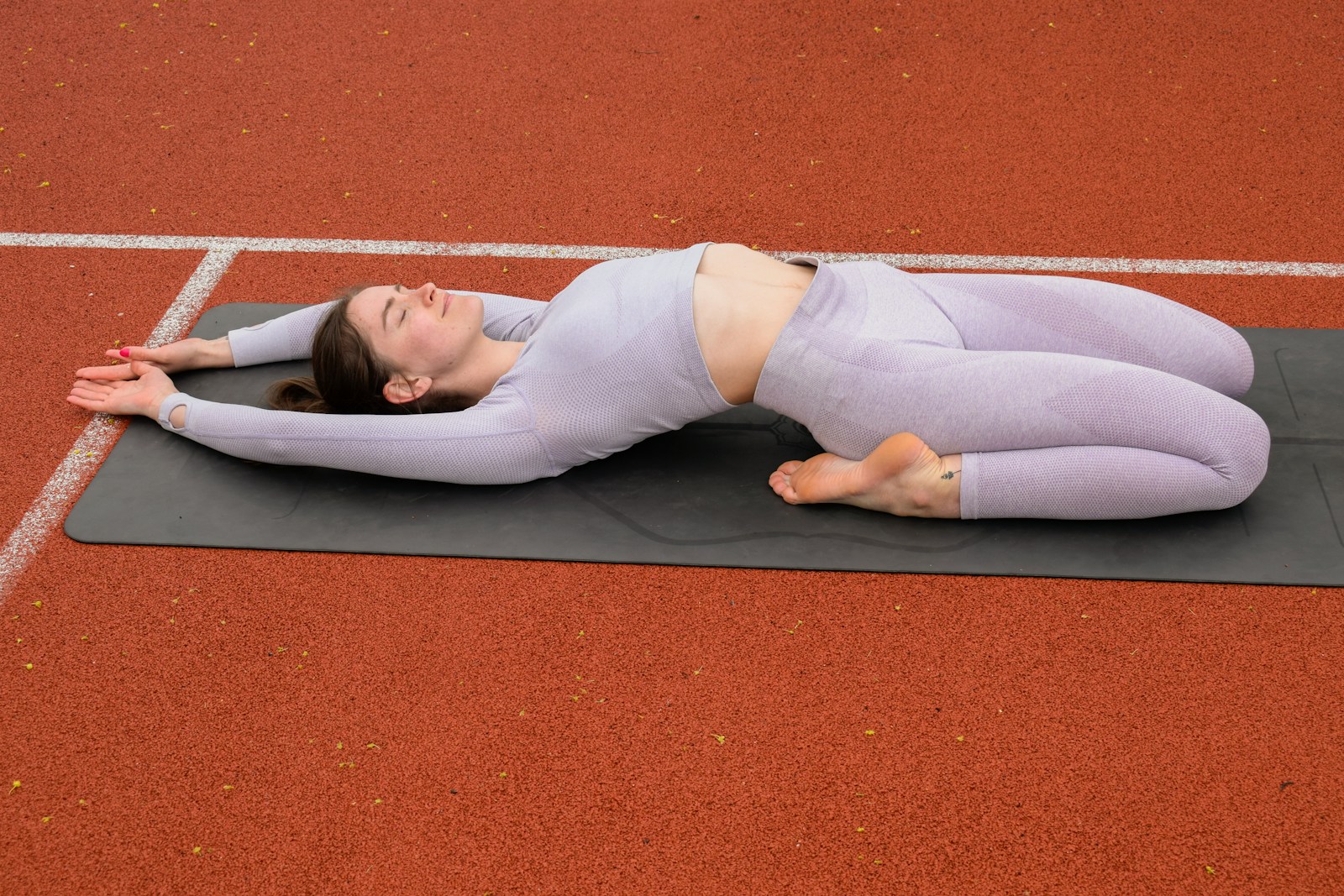
Best Stretching Routine for Flexibility and Recovery :
Stretching is more than a warm-up or cool-down activity—it’s a foundation of physical health. Whether you’re an athlete, office worker, or just looking to move better, incorporating a best stretching routine into your daily life can drastically improve your flexibility, reduce muscle stiffness, and accelerate recovery after workouts.
This article will guide you through a full-body stretching plan, explain the benefits, and recommend when and how to stretch for optimal results.
1. Why Best Stretching Routine Is Crucial for Your Body
Stretching helps maintain healthy joints and muscles, enhances circulation, improves posture, and reduces the risk of injury. Flexibility isn’t just for dancers or yogis—it’s essential for everyone.
Key Benefits:
-
Prevents injuries
-
Improves range of motion
-
Reduces muscle tension and soreness
-
Enhances athletic performance
-
Boosts recovery after exercise
Recommended Video:
The Importance of Stretching
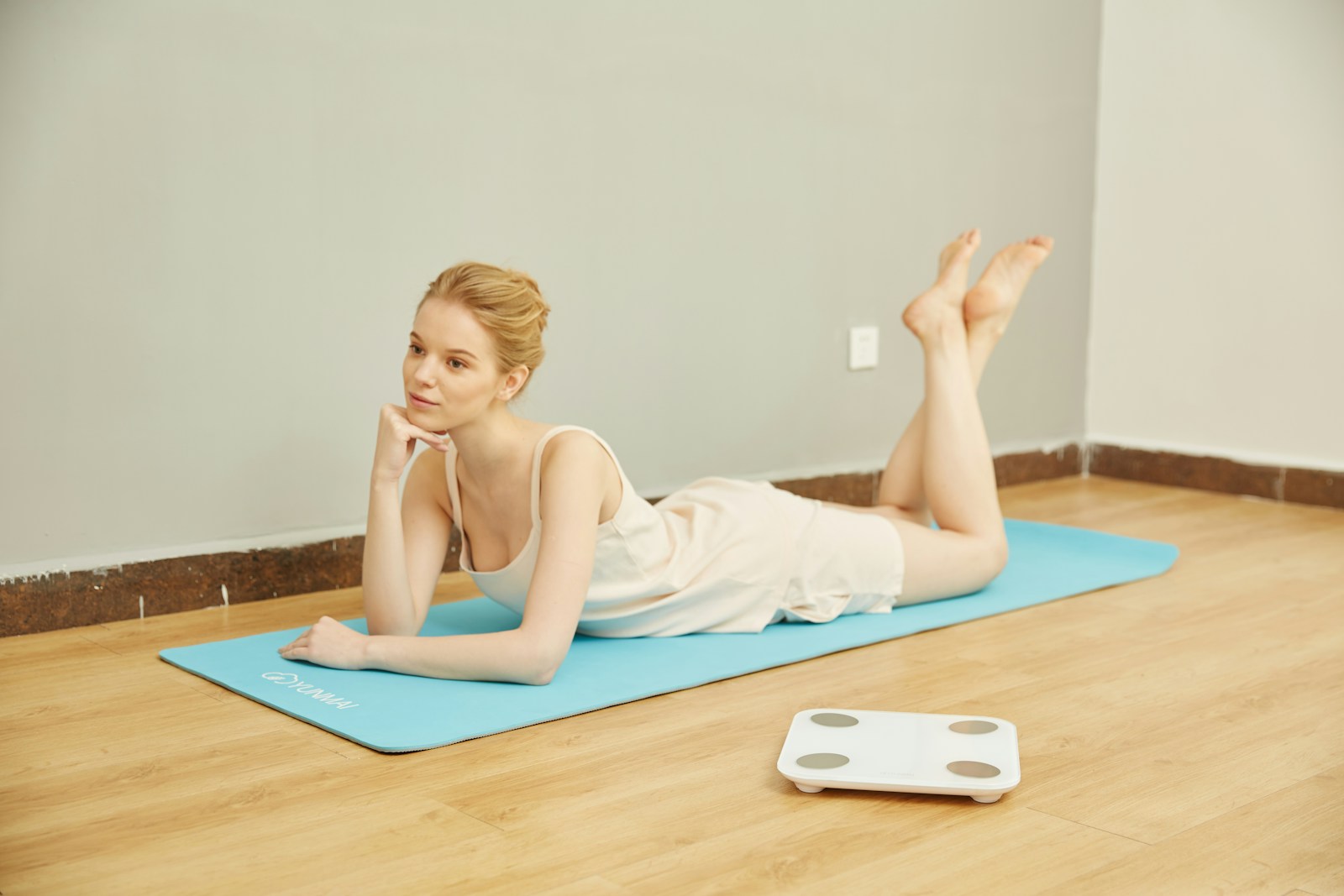
2. Static vs Dynamic Best Stretching Routine : Know the Difference
Understanding the two primary types of stretching is crucial:
-
Static stretching: Involves holding a position for 15-60 seconds (e.g., hamstring stretch).
-
Dynamic stretching: Involves active movements that stretch muscles (e.g., arm circles, leg swings).
When to use them:
-
Use dynamic stretching before workouts to warm up.
-
Use static stretching after workouts to cool down and recover.
Recommended Video:
Static vs Dynamic Stretching – What’s the Difference?
3. Full Body Best Stretching Routine (Beginner-Friendly)
Here’s a 10-minute full-body stretching routine to improve flexibility:
-
Neck Circles – 30 seconds
-
Shoulder Rolls – 30 seconds
-
Arm Cross Stretch – 30 seconds each side
-
Side Bend Stretch – 30 seconds each side
-
Cat-Cow Pose – 1 minute
-
Cobra Stretch – 30 seconds
-
Child’s Pose – 1 minute
-
Standing Hamstring Stretch – 30 seconds each leg
-
Quad Stretch – 30 seconds each leg
-
Calf Stretch on Wall – 30 seconds each leg
Tip: Breathe deeply during each stretch. Never force your body into a painful position.
Recommended Video:
10-Minute Daily Stretching Routine
4. Best Stretching Routine for Athletes and Active People
If you train frequently, stretching plays a critical role in performance and longevity. Include these stretches post-exercise:
-
Pigeon Pose – For hips and glutes
-
Seated Forward Fold – For hamstrings and lower back
-
Chest Opener against Wall – For shoulders and chest
-
IT Band Stretch – For outer thigh stability
-
Hip Flexor Lunge Stretch – Great for runners and lifters
Repeat 2 sets of each stretch for deeper release.
Recommended Video:
Post-Workout Stretching for Recovery
5. Best Stretching Routine for Office Workers and Desk Jobs
Sitting for long hours causes stiffness in the hips, back, and neck. Use this routine mid-day:
-
Seated Spinal Twist – 30 sec each side
-
Wrist and Finger Stretches – Especially for typing
-
Standing Chest Stretch – Open up tight shoulders
-
Hip Flexor Lunge – Reverse the effects of sitting
-
Neck Stretch – Relieve upper back and neck tension
Set a reminder to stretch every 1–2 hours.
Recommended Video:
Stretching Routine for Desk Workers
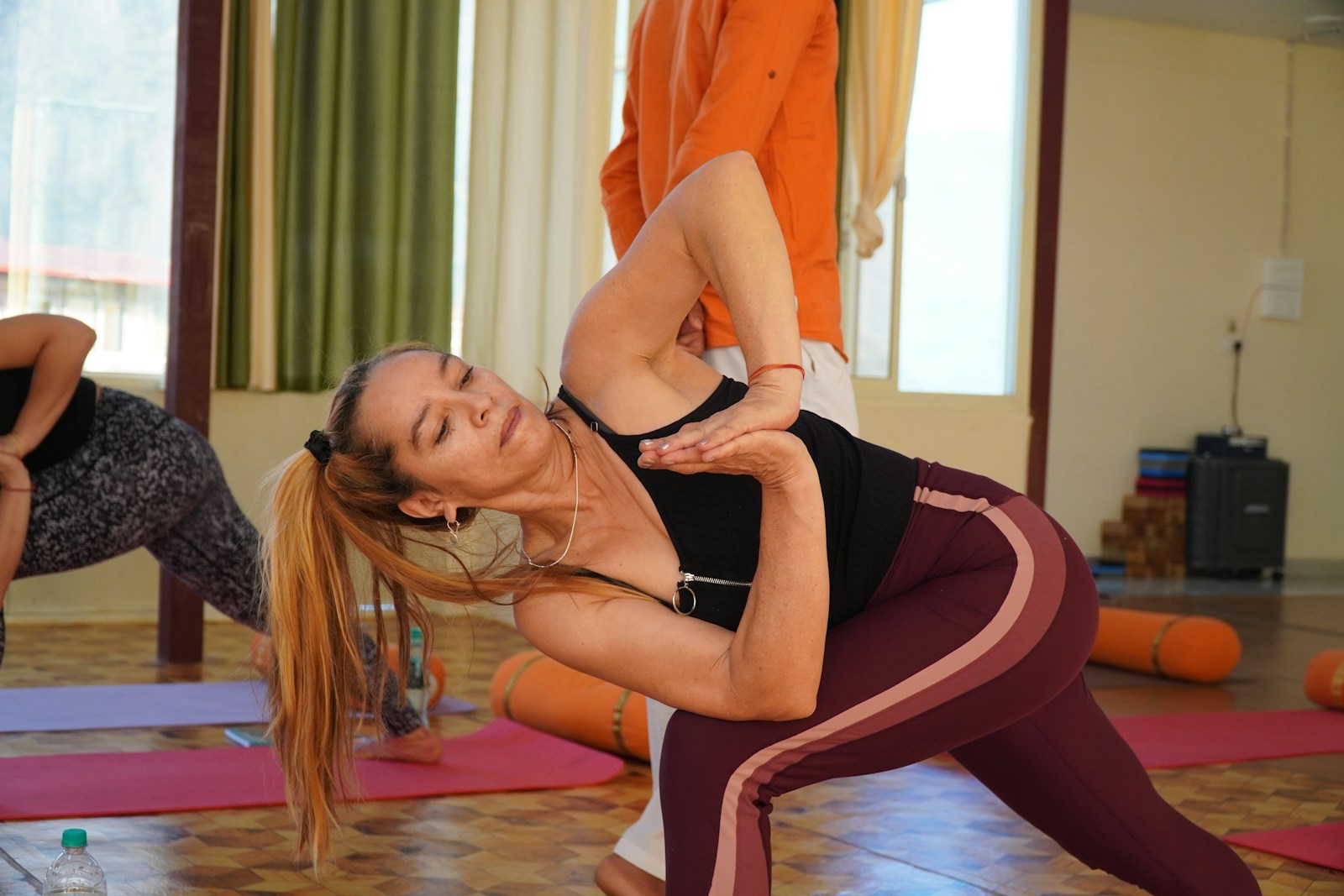
6. Morning Best Stretching Routine to Start Your Day
A few minutes of gentle stretching in the morning can wake up your body and boost blood flow. Try this:
-
Full Body Stretch in Bed – 1 minute
-
Knees to Chest – 30 seconds
-
Spinal Twist (lying down) – 30 seconds per side
-
Standing Side Stretch – 30 seconds per side
-
Forward Fold – 1 minute
♀️ Add breathing exercises for a calm, focused start.
Recommended Video:
5-Minute Morning Stretch
7. Bedtime Stretching for Better Sleep and Muscle Recovery
Stretching before bed reduces cortisol (stress hormone) and promotes relaxation. Include:
-
Butterfly Stretch
-
Happy Baby Pose
-
Legs Up the Wall
-
Forward Bend (Seated)
-
Reclined Twist
This routine is gentle and restorative—perfect for winding down.
Recommended Video:
Stretching Before Sleep Routine
8. How Often Should You Stretch?
For general health:
-
Stretch daily (5–15 minutes)
For flexibility goals:
-
Stretch 5–6 times/week for best results
For athletes:
-
Dynamic stretching pre-workout, static post-workout
Tip: Flexibility improves over time. Don’t rush it.
Recommended Video:
How Often Should You Stretch?
9. Common Stretching Mistakes to Avoid
-
Bouncing during static stretches
-
Holding your breath
-
Stretching cold muscles
-
Overstretching or forcing the stretch
-
Inconsistent routine
Stretching should feel comfortable and controlled. Consistency is key!
Recommended Video:
Top Stretching Mistakes and How to Fix Them
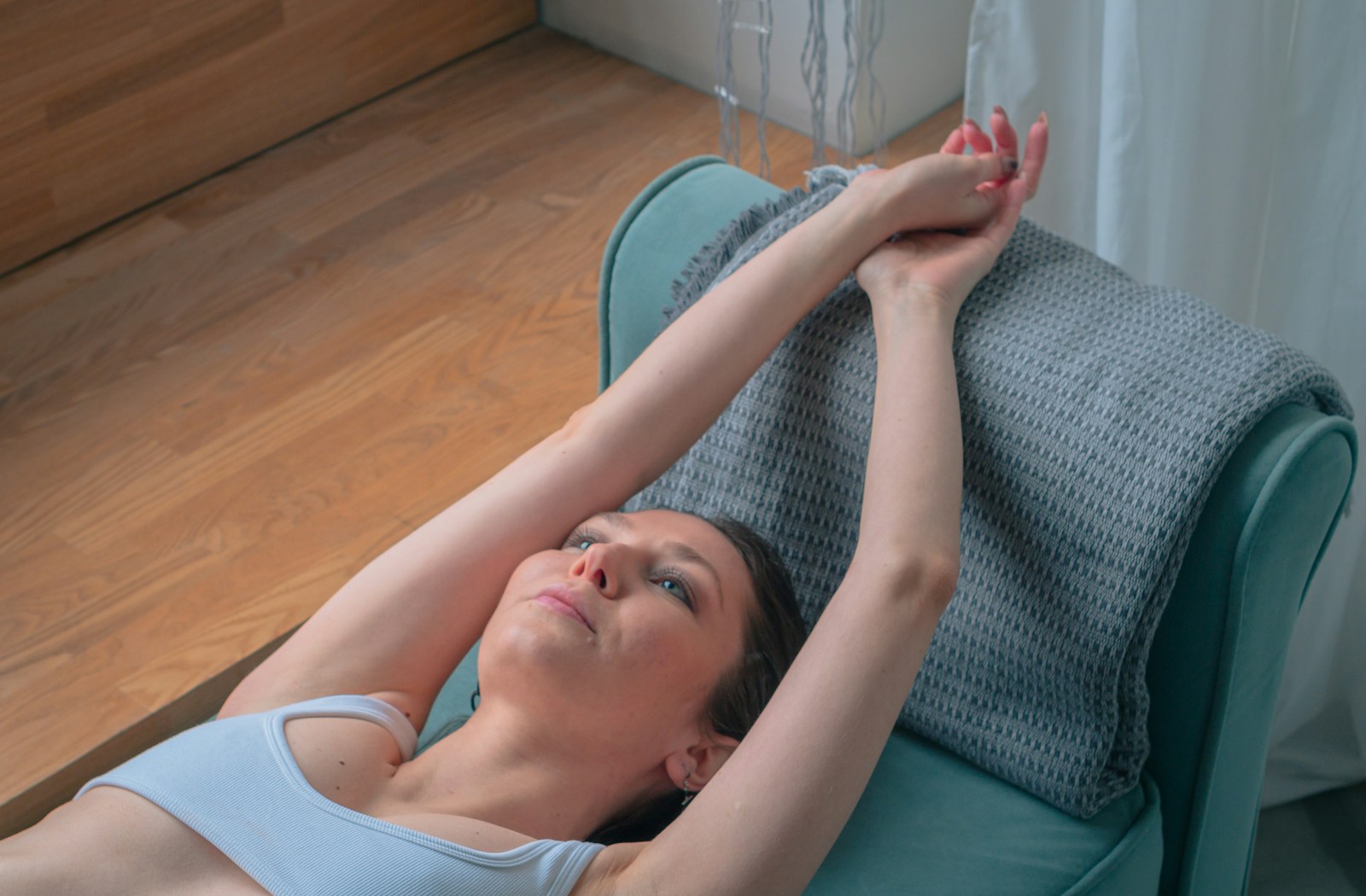
10. Tools That Can Enhance Your Stretching Routine
Using props can improve the quality of your stretches:
-
Yoga blocks – Help with flexibility
-
Resistance bands – Add mobility and depth
-
Foam rollers – Great for releasing tight muscles
-
Stretching straps – Especially useful for hamstrings and quads
Recommended Video:
Stretching Equipment for Beginners
Final Thoughts :
The best stretching routine is one that fits into your life and supports your body’s needs. Whether you’re recovering from a tough workout, dealing with tight muscles from sitting, or just trying to stay flexible as you age—stretching is one of the simplest and most effective tools you have.
Make it a habit, pair it with movement, and your body will thank you.
✅ Key Takeaways :
-
Stretch daily, even if only 5–10 minutes
-
Use both dynamic and static stretching appropriately
-
Stretch all major muscle groups regularly
-
Avoid rushing or forcing your body into painful positions