

Beginner-Friendly Full Body Workout at Home:
Firstly, full body workout home routines can improve strength, energy, balance, and daily fitness because simple exercises at home help train the whole body without needing a gym or hard equipment. Secondly, one short workout can help you feel more active, stronger, and more confident. Thirdly, clear routines make home training easier to keep. Moreover, short sentences keep the plan easy to follow. Finally, steady practice supports movement, mood, and long-term health.
- To begin, keep a water bottle, a mat, and simple workout clothes ready.
- Next, choose one small workout time that fits your day.
- Also, start with basic moves before trying harder versions.
- Meanwhile, pair your workout with routines you already follow each day.
- Lastly, log weekly wins to build momentum and notice progress.
Quick Start :
Firstly, define one training time for morning, midday, or evening. Secondly, choose an easy goal that fits your real day, such as one 20-minute session or two shorter sessions each week. Also, tie your workout to a fixed cue like after waking, after work, or before dinner. Then, track completions with a simple check mark. Finally, review progress every seven days and adjust.
Core Signals to Watch :
Firstly, notice changes early. Secondly, compare workout days and non-workout days. Also, note how training affects your energy, mood, stiffness, sleep, and confidence. Then, look for patterns rather than one good or bad day. Finally, build your next steps around your own routine.
| Sign | Typical Pattern | First Small Step |
|---|---|---|
| Morning stiffness | After long sitting or low movement | Do a short warm-up after waking |
| Low energy | After inactive days | Use a light 10-minute workout |
| Poor mood | After stress or no movement | Try a simple full body session |
| Low strength | After long breaks from exercise | Start with bodyweight basics |
| Low confidence | After stopping routines often | Choose easy repeatable workouts |
- Additionally, track workout “hot spots”: long desk hours, busy afternoons, and lazy weekends.
- Likewise, watch hidden blockers: poor sleep, no fixed time, and starting too hard.
- Plus, notice how your body feels before and after each workout.
- Afterward, tally check marks each Sunday to see progress.
- Finally, reward streaks with simple, healthy treats.
full body workout home: Morning Rhythm
Firstly, open your day with water, light, and a few minutes of movement. Secondly, a short morning workout can help you feel more awake without needing a long gym session. Also, morning training can make the day feel more organized from the start. Then, use easy clothes and a clear plan so beginning feels simple. Finally, keep your first session calm and steady instead of trying to do too much.
Foundations 101: full body workout home (What Helps Most)
Firstly, home training works because it is simple and easy to repeat. Secondly, it supports the legs, chest, back, core, and arms at the same time. Also, beginner workouts at home are gentle enough for many people to keep doing. Then, regular training often helps more than rare hard workouts that do not last. Finally, the best training plan is the one that fits into your real life.
- Notably, full body sessions support better movement and daily strength.
- Also, regular workouts can help reduce long sitting time.
- Additionally, home training saves time and removes travel pressure.
- Lastly, a simple routine makes the habit easier to keep.
full body workout home: Tracking 101
Firstly, pick one metric per area to avoid overwhelm: workout minutes, number of sessions, strength, and mood. Secondly, log with paper or a simple app. Also, note your workout time, exercises, and how you feel later. Then, compare weekday and weekend patterns. Finally, change only one thing each week and watch what happens.
full body workout home: Daily Targets
Firstly, split support across the week. Secondly, cover movement, recovery, hydration, and steady effort. Also, leave room for busy work or family hours. Then, batch easy choices on weekends, like setting out your mat and planning your sessions. Finally, adjust your targets when your schedule changes.
| Time | Action | Why |
|---|---|---|
| Morning | Water + 5-minute warm-up | Creates an active start and better focus |
| Mid-morning | Stand and stretch for 3–5 minutes | Breaks long sitting time |
| Lunch | Short walk or mobility break | Supports energy and movement |
| Afternoon | 20-minute workout or light circuit | Helps reduce tiredness and stiffness |
| Evening | Easy cool-down and gentle stretch | Supports calm and recovery |
- Additionally, block calendar slots titled “workout + water”.
- Likewise, keep your mat where you can see it.
- Plus, prep a simple workout plan before the week starts.
- Afterward, tally check marks each Sunday.
- Finally, reward streaks with simple, non-screen treats.
full body workout home: Workday Habits
Firstly, place your mat, band, or workout shoes where you can see them. Secondly, link training breaks to email blocks, meetings, or lunch. Also, use work sprints of 45 to 60 minutes so you remember to stand and move. Then, take movement breaks when possible. Finally, close your workday with a short workout instead of going straight from desk to sofa.
- Additionally, label your bottle with time goals.
- Likewise, set one soft timer every 50 minutes.
- Plus, use stairs or bodyweight squats when it fits your day.
- Afterward, log total workout minutes.
- Lastly, avoid sitting for long hours without a break.
full body workout home: Core Beginner Moves
Firstly, beginner workouts work best with a few simple moves. Secondly, basic exercises train the whole body without making things confusing. Also, you do not need many exercises to get useful results. Then, repeat a small group of movements until they feel more natural. Finally, focus on control before speed.
- Additionally, bodyweight squats help train the legs and hips.
- Likewise, wall push-ups or knee push-ups support the chest and arms.
- Plus, glute bridges help the hips and lower body.
- Also, bird-dogs and dead bugs help the core in a simple way.
- Lastly, standing marches or step-ups can support balance and cardio.
full body workout home: Easy Beginner Circuit
Firstly, a short circuit makes home training easier. Secondly, it gives structure without needing complex planning. Also, one beginner circuit can train many body parts in one session. Then, move slowly and rest when needed. Finally, use form and breathing as your main focus.
| Exercise | Time or Reps | Why |
|---|---|---|
| Bodyweight Squat | 8–12 reps | Supports legs and hips |
| Wall Push-Up | 8–10 reps | Supports chest and arms |
| Glute Bridge | 10–12 reps | Supports hips and glutes |
| Bird-Dog | 6–8 reps each side | Supports balance and core |
| March in Place | 30–45 seconds | Supports movement and heart rate |
- Additionally, rest 30 to 60 seconds between moves if needed.
- Likewise, repeat the full circuit 2 or 3 times.
- Plus, stop early if form starts to break.
- Afterward, cool down with light stretching.
- Finally, keep the plan easy enough to repeat next week.
full body workout home: Strength and Energy Support
Firstly, beginner full body training is one of the easiest ways to support strength at home. Secondly, it helps the body get used to regular movement without high impact. Also, home workouts may help you feel more awake during the day because they improve circulation and break up long sitting time. Then, steady training can support better stamina little by little. Finally, simple daily effort often leads to real results over time.
- Additionally, slow reps can make the workout feel more useful.
- Likewise, flat open space is great for easy steady sessions.
- Plus, simple circuits can add challenge without needing a gym.
- Lastly, consistency matters more than perfect intensity.
full body workout home: Red-Flag List & Better Swaps
Firstly, a short list makes home training easier. Secondly, think “limit or swap” instead of “all or nothing.” Also, make the active option the easier option. Then, keep tools around you that support the habit. Finally, protect your energy with small upgrades.
| Limit (full body workout home blockers) | Why | Swap-In |
|---|---|---|
| All-day sitting | Builds stiffness and low energy | Short workout breaks every few hours |
| Very tight schedule | Makes training feel impossible | Split into 10-minute sessions |
| No workout plan | Leads to missed sessions | Use one simple weekly routine |
| No fixed workout time | Leads to skipped practice | Attach training to a daily cue |
| Too much phone time | Keeps you inactive longer | Do a short set before scrolling |
| Starting too hard | Can lead to soreness and quitting | Begin easy and build slowly |
| Skipping water | May increase tiredness | Drink before and after workouts |
full body workout home: Food and Drink Ideas
Firstly, simple food choices can support your workout routine. Secondly, steady meals help you feel better during the day. Also, water matters because even light training feels harder when you are low on fluids. Then, keep meals simple on busy days. Finally, do not overthink food if your main goal is to keep the workout habit going.
- Additionally, choose oats, yogurt, eggs, fruit, rice, nuts, and simple home meals.
- Likewise, pair coffee with water and food when possible.
- Plus, keep easy snacks ready for busy afternoons.
- Lastly, eat in a way that supports steady energy for your workout.
| Add-In | Simple Mix | Best Moment |
|---|---|---|
| Start Drink | Water | Before a morning workout |
| Steady Snack | Banana + nuts | Before or after a short workout |
| Simple Meal | Rice + chicken + vegetables | Lunch or dinner |
| Evening Calm | Herbal tea + light stretch | After an easy workout |
full body workout home: Weight, Mood, and Confidence
Firstly, training helps in more ways than one. Secondly, it can support weight balance because it adds regular movement without needing special equipment. Also, many people feel calmer and clearer after a workout. Then, training at home may help lower mental fatigue from long indoor hours. Finally, a short daily session can make the whole day feel better balanced.
- Additionally, try training after stressful meetings.
- Likewise, use movement as a reset after long screen time.
- Plus, a short workout can help you return to work with better focus.
- Lastly, mood often improves when training becomes routine.
full body workout home: Easy Prep for Busy Weeks
Firstly, prep makes training much easier to keep. Secondly, one short setup session can save your week. Also, you do not need special gear beyond basic shoes, a mat, and maybe a resistance band. Then, lay out your workout clothes or pack them early. Finally, keep your plan simple enough for busy mornings.
- Additionally, check your schedule before bed.
- Likewise, choose two or three easy workout windows.
- Plus, keep one indoor backup option ready.
- Lastly, set a clear workout time the night before.
full body workout home: Travel, Shift-Work, and Indoors
Firstly, home workouts matter even more when your schedule changes. Secondly, travel and shift-work can make training harder if you do not plan ahead. Also, indoor days can turn into sitting days very fast. Then, use simple workout blocks to protect your movement routine. Finally, focus on what is possible, not perfect.
- Additionally, move every 60–90 minutes on long trips.
- Likewise, use bodyweight moves in hotels or small rooms when needed.
- Plus, use a small indoor circuit on bad weather days.
- Lastly, keep one familiar workout habit wherever you are.
Safety, Signs, and FAQs (full body workout home)
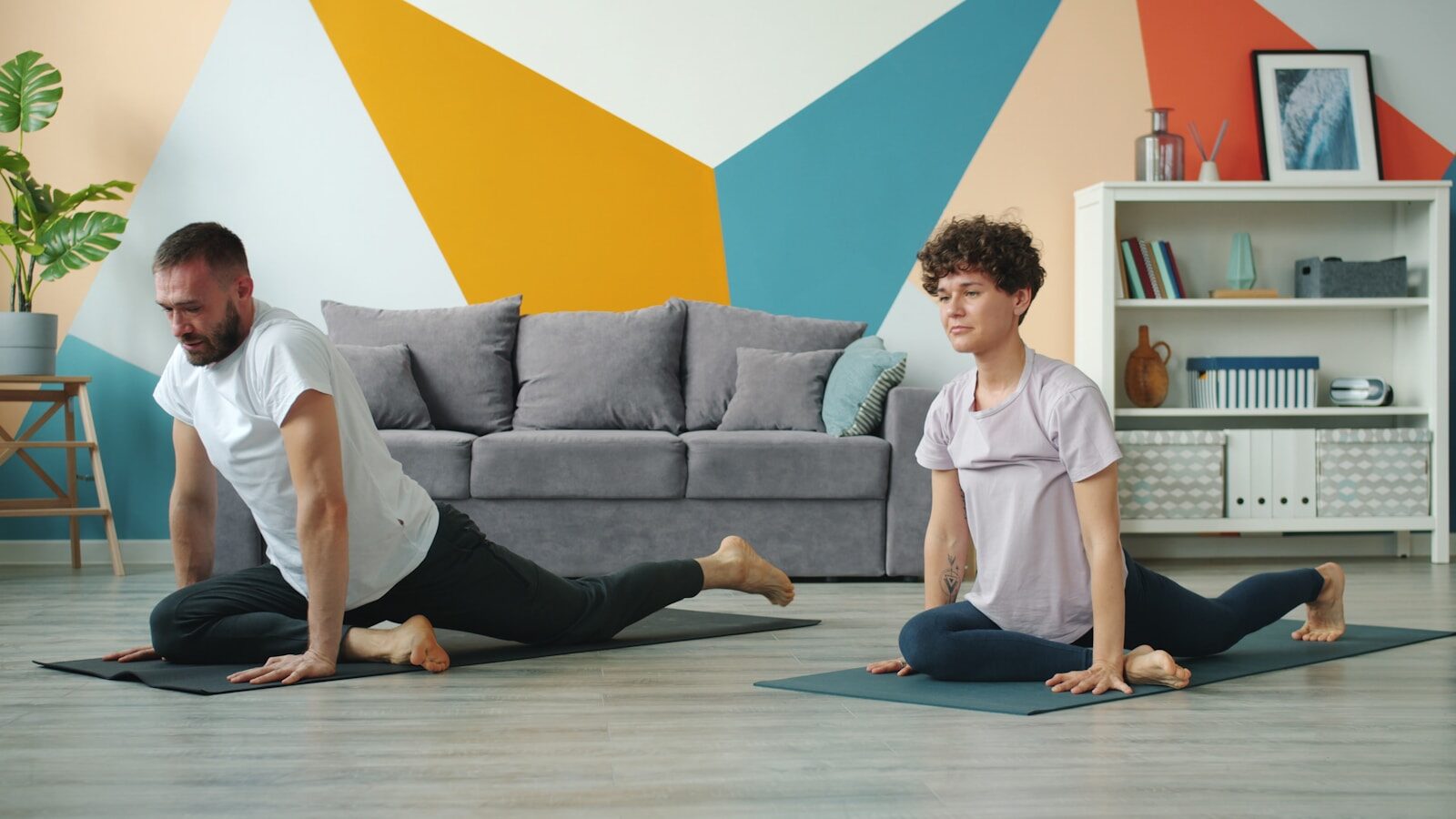
Firstly, avoid doing too much too soon. Secondly, choose steady training that fits your current level. Also, pay attention if you feel unusual pain, dizziness, or strong shortness of breath. Then, slow down, rest, and get help if needed. Finally, ask a clinician for advice if you have heart, lung, joint, or injury concerns before starting a new routine.
| Sign | Possible Cause | Fast Step |
|---|---|---|
| Leg soreness | Too much too soon | Use easier pace and fewer reps |
| Wrist pain | Poor hand position or too much pressure | Use wall push-ups or adjust the angle |
| Low energy during training | Low food, low water, poor sleep | Hydrate and adjust workout time |
| No consistency | No clear routine | Set a fixed daily cue |
full body workout home: Practical Day Builder
Firstly, aim for movement support in every part of the day. Secondly, repeat simple habits until they feel normal. Also, keep your routine easy enough for hard days. Then, build a short backup plan for stress, travel, or low energy. Finally, let small wins count.
| Day Moment | Fast Template | Swap Ideas |
|---|---|---|
| Morning | Water + 5-minute mobility | Add daylight and light stretching |
| Lunch | Short walk or bodyweight set | Pair with a few squats or wall push-ups |
| Afternoon | 15–20 minute beginner circuit | Use lighter reps on busy days |
| Evening | Easy stretch and recovery | Family walk or calm music |
- Additionally, batch-plan workout times for the week.
- Likewise, keep your mat easy to grab.
- Plus, make your routine simple and familiar.
- Lastly, carry a backup indoor plan for bad days.
full body workout home: Stress and Sleep
Firstly, training is one of the easiest natural tools for stress support. Secondly, movement can help the body feel less stuck after long sitting or hard days. Also, a daytime workout may support better sleep later because your body has used more energy. Then, a calm evening stretch can help some people unwind. Finally, protect your workout time the same way you protect other important habits.
- Additionally, stop caffeine earlier if sleep is light.
- Likewise, train in daylight when possible.
- Plus, use workouts as a reset after a stressful day.
- Lastly, keep the evening pace calm if you train late.
Families and Housemates (full body workout home)
Firstly, training works better when the people around you support it. Secondly, shared workouts can make the habit feel lighter and more fun. Also, simple group routines like after-dinner movement help many people stay consistent. Then, plan small shared goals instead of big rules. Finally, make movement easy for the people around you too.
- Additionally, keep a shared workout time when possible.
- Likewise, invite family or friends for short sessions.
- Plus, use workouts as time to move and unwind.
- Lastly, celebrate small healthy changes together.
full body workout home: Hot and Cold Weather Guide
Firstly, weather affects comfort, pace, and workout plans. Secondly, hot days may need slower pace, more water, and cooler timing. Also, cold days may need layers and a longer warm-up. Then, adjust your routine with the season. Finally, treat recovery as part of your training care.
Hot Days
- Initially, train early before the heat rises.
- Afterward, drink water before and after training.
- Further, choose lighter clothes and easier pace.
- Lastly, keep the workout shorter in strong heat.
Cold Days
- Firstly, wear layers that are easy to remove.
- Secondly, warm up with a slower first few minutes.
- Thirdly, use a warmer room when needed.
- Finally, try an indoor circuit when weather is too hard.
Medical Checkpoints for Workout Support
Firstly, seek professional help if you have chest pain, severe shortness of breath, fainting, or strong joint pain during training. Secondly, talk with a clinician if old injuries or medical conditions affect your workouts. Also, review your routine if training always leaves you exhausted instead of refreshed. Then, avoid copying intense online plans if you are just starting. Finally, build your plan around simple movement, food, sleep, and steady progress first.
Q1: Are full body workout home routines useful even if I only train 20 minutes?
Firstly, yes. Secondly, 20 minutes can be a strong and realistic habit for many people. Finally, steady effort matters more than doing too much once in a while.
Q2: Is it better to train the whole body or one body part at a time?
Firstly, both can work. Secondly, full body sessions are often simpler for beginners. Finally, choose the plan you can keep.
Q3: Can full body workout home routines help with mood?
Firstly, many people feel calmer and clearer after training. Secondly, movement can help break up mental fatigue. Finally, regular workouts often support better emotional balance over time.
Q4: What if my schedule is very busy?
Firstly, use “minimum habits” like one 10-minute circuit. Secondly, keep your plan small and repeatable. Finally, consistency matters more than doing a perfect workout.
Quick Recap: Firstly, full body workout home routines can support better energy, mood, strength, focus, and steady fitness with one simple habit. Secondly, use small daily cues to make training easier to repeat. Also, build a routine that supports your body through the whole day. Then, track one small sign from each area for feedback. Finally, stay steady for one month to build a workout habit that lasts.