
Why Fiber Is Critical for Health: Complete Guide
Firstly, fiber in diet is a simple, repeatable lever that shapes hunger, blood sugar, and gut balance. Secondly, tiny daily choices compound into big results. Thirdly, clear cues make fiber habits stick. Moreover, short sentences keep the plan easy. Finally, steady practice supports digestion, heart health, and long-lasting energy.
- To begin, carry a pocket notebook and a refillable bottle as habit cues.
- Next, place fiber reminders where you work and rest.
- Also, set three gentle alarms to nudge fiber-rich meals and snacks.
- Meanwhile, pair tiny actions with routines you already do.
- Lastly, log weekly wins to reinforce momentum.
Fiber in Diet: Quick Start
Firstly, define one anchor habit for morning, midday, and evening. Secondly, choose actions that take two minutes or less. Also, tie each step to a fixed cue like coffee or email batches. Then, track completions with a simple check mark. Finally, review progress every seven days and adjust.
Fiber in Diet: Common Signs You Need More
Firstly, spot signals before they snowball. Secondly, compare weekday and weekend patterns. Also, note timing with meals, stress, and sleep. Then, look for clusters rather than single symptoms. Finally, personalize next steps to your capacity.
| Sign | Typical Pattern | First Small Step |
|---|---|---|
| Frequent hunger | Cravings 1–2 hours post-meal | Add fruit + nuts or veggies + hummus |
| Constipation | Hard stools or fewer than 3/week | Increase fluids and add oats/beans gradually |
| Blood sugar dips | Afternoon crashes, brain fog | Include beans/lentils or whole grains at lunch |
| High cholesterol | Elevated LDL on labs | Use oats, barley, and psyllium if tolerated |
| Low meal volume | Mostly refined snacks | Half-plate plants target at main meals |
- Additionally, track stool form (simple 1–7 scale) and frequency.
- Likewise, note trigger clusters like late meals + low plants + little water.
- Plus, compare portion size with next-day energy.
- Afterward, tally check marks each Sunday to see progress.
- Finally, reward streaks with simple, non-food treats.
Fiber in Diet: Morning Rhythm
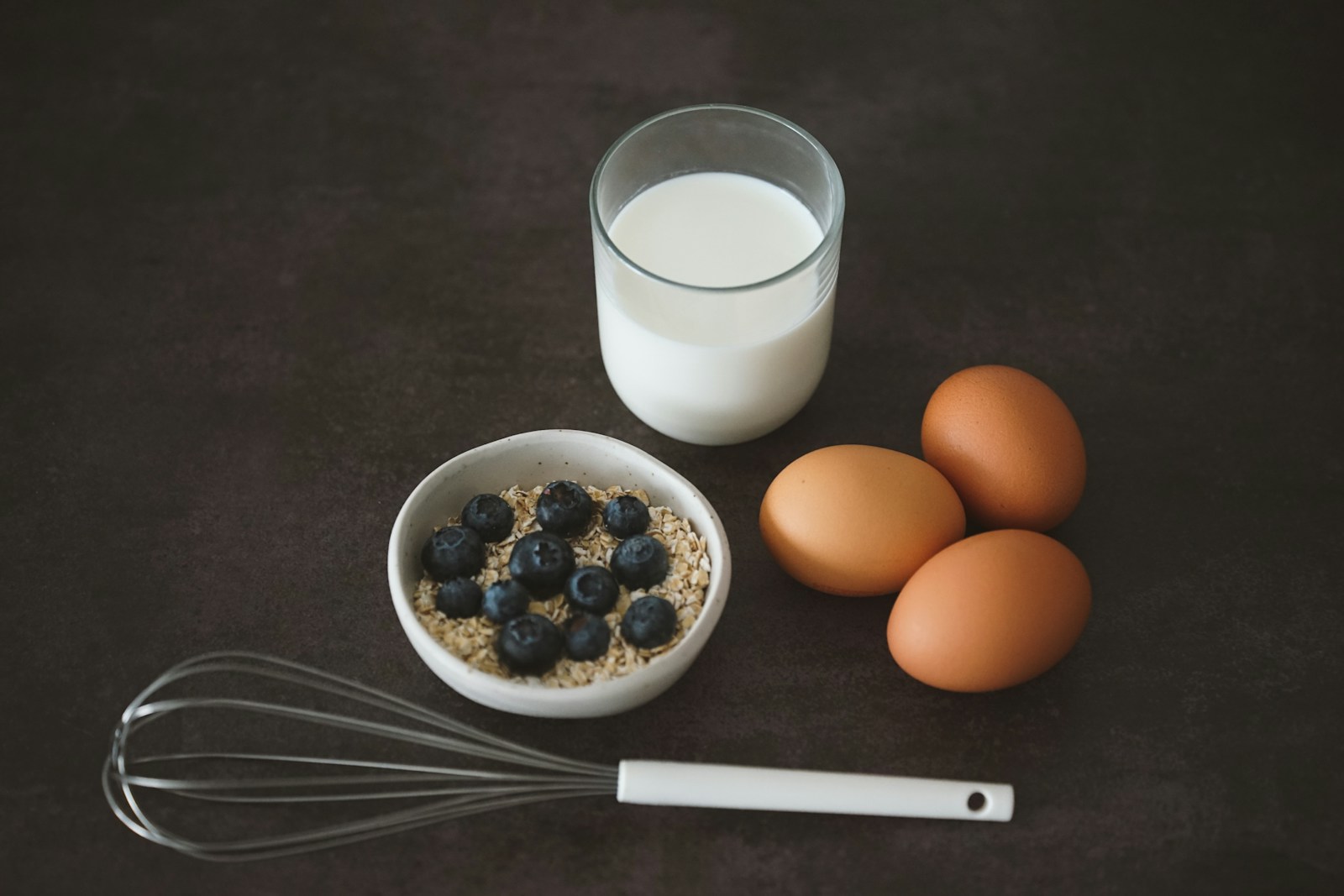
Firstly, open with light, water, and breath. Secondly, step near a window or outside for gentle daylight to set rhythm. Also, prep a fiber-forward breakfast (oats, chia, fruit, or whole-grain toast + eggs). Then, place your bottle where you can see it and sip steadily. Finally, queue a 10-minute walk after breakfast on busy days.
Foundations 101: Fiber Types, Fluids, Sleep, Stress, and Movement
Firstly, include both soluble (oats, beans, barley) and insoluble (whole grains, skins, leafy greens). Secondly, pair fiber with fluids to keep things moving. Also, aim for consistent bed and wake times to stabilize appetite. Then, breathe slowly between tasks to reduce stress-related snacking. Finally, walk daily to support motility and glucose control.
- Notably, schedule three “movement snacks” of 5–10 minutes.
- Also, fill half your plate with colorful plants for diverse fibers.
- Additionally, set a fixed lights-out window to protect repair.
- Lastly, practice 4-second inhale and 6-second exhale twice daily.
Fiber in Diet: Tracking 101
Firstly, track one metric per pillar to avoid overwhelm. Secondly, log with a paper tracker or simple app. Also, note servings of plants, fluids, steps, and mood in brief lines. Then, compare weekday and weekend patterns. Finally, tweak just one variable per week and observe changes.
Fiber in Diet: Posture, Pace, and Meal Mechanics
Firstly, sit tall with relaxed shoulders at meals. Secondly, slow down and chew thoroughly to reduce bloating. Also, leave three hours between larger meals when possible. Then, change positions every 30–60 minutes through the day. Finally, take a gentle 10-minute walk after lunch or supper.
- Importantly, set cutlery down between bites to slow pace.
- Also, use smaller plates to guide portions and timing.
- Plus, try warm herbal teas (e.g., ginger or mint) with dinner.
- Lastly, track fullness (0–10) before and after meals.
Fiber in Diet: Daily Targets
Firstly, split essentials across the day. Secondly, cover movement, meals, hydration, light, and rest. Also, keep buffers for busy hours. Then, batch easy choices on weekends. Finally, adjust targets when your schedule shifts.
| Time | Action | Why |
|---|---|---|
| Morning | Two glasses of water + oats or chia | Kick-start motility and fullness |
| Mid-morning | 10-minute daylight walk + fruit | Lift focus and fiber boost |
| Lunch | Protein + 2 plant sides (beans + greens) | Steady energy and fiber diversity |
| Afternoon | Stand, breathe, refill bottle + nuts/veg | Prevent dips and cravings |
| Evening | Screen-dim + soup/salad starter | Prime sleep and appetite control |
- Additionally, block calendar slots titled “walk + sip”.
- Likewise, keep spare sneakers under your desk.
- Plus, prep beans, chopped veg, and whole grains on weekends.
- Afterward, tally check marks each Sunday.
- Finally, reward streaks with simple, non-screen treats.
Fiber in Diet: Workday Habits
Firstly, place a bottle beside your keyboard and link sips to email batches. Secondly, stand for calls and pace during brainstorms. Also, schedule a fiber-rich lunch break with a prepped bowl or wrap. Then, refill during each micro-break. Finally, cap your day with a shutdown checklist to lower stress.
- Additionally, label your bottle with “9-11-1-3-5”.
- Likewise, set a soft timer every 50 minutes.
- Plus, keep a snack kit: fruit, nuts, whole-grain crackers.
- Afterward, log totals on a sticky note.
- Lastly, invite a teammate to a walking challenge.
Fiber in Diet: Fitness Fuel
Firstly, warm up with hinge, squat, and push patterns. Secondly, sip water every 15–20 minutes during longer sessions. Also, pair training with protein + fiber post-workout (e.g., yogurt + berries, bean salad). Then, add electrolytes on hot days. Finally, down-shift with gentle breath before sleep.
- Additionally, weigh before and after long heat sessions.
- Likewise, prioritize form over volume to avoid strain.
- Plus, schedule rest days to absorb gains.
- Lastly, skip alcohol after intense training nights.
Fiber in Diet: Heart, Immunity, and Mood Links
Firstly, walk briskly for ten minutes after two meals to support blood sugar and motility. Secondly, climb stairs when time is tight. Also, breathe through your nose during easy cardio to moderate pace. Then, track resting heart rate weekly. Finally, pair fiber-rich meals with movement to steady energy and mood.
Fiber in Diet: Food and Flavor Ideas
Firstly, add water-rich foods to every plate to ease digestion. Secondly, rotate plant diversity to feed different microbes. Also, batch-cook soups, stews, and beans for fast fiber. Then, stock spices and herbs for variety. Finally, keep fiber-friendly options visible in the fridge door.
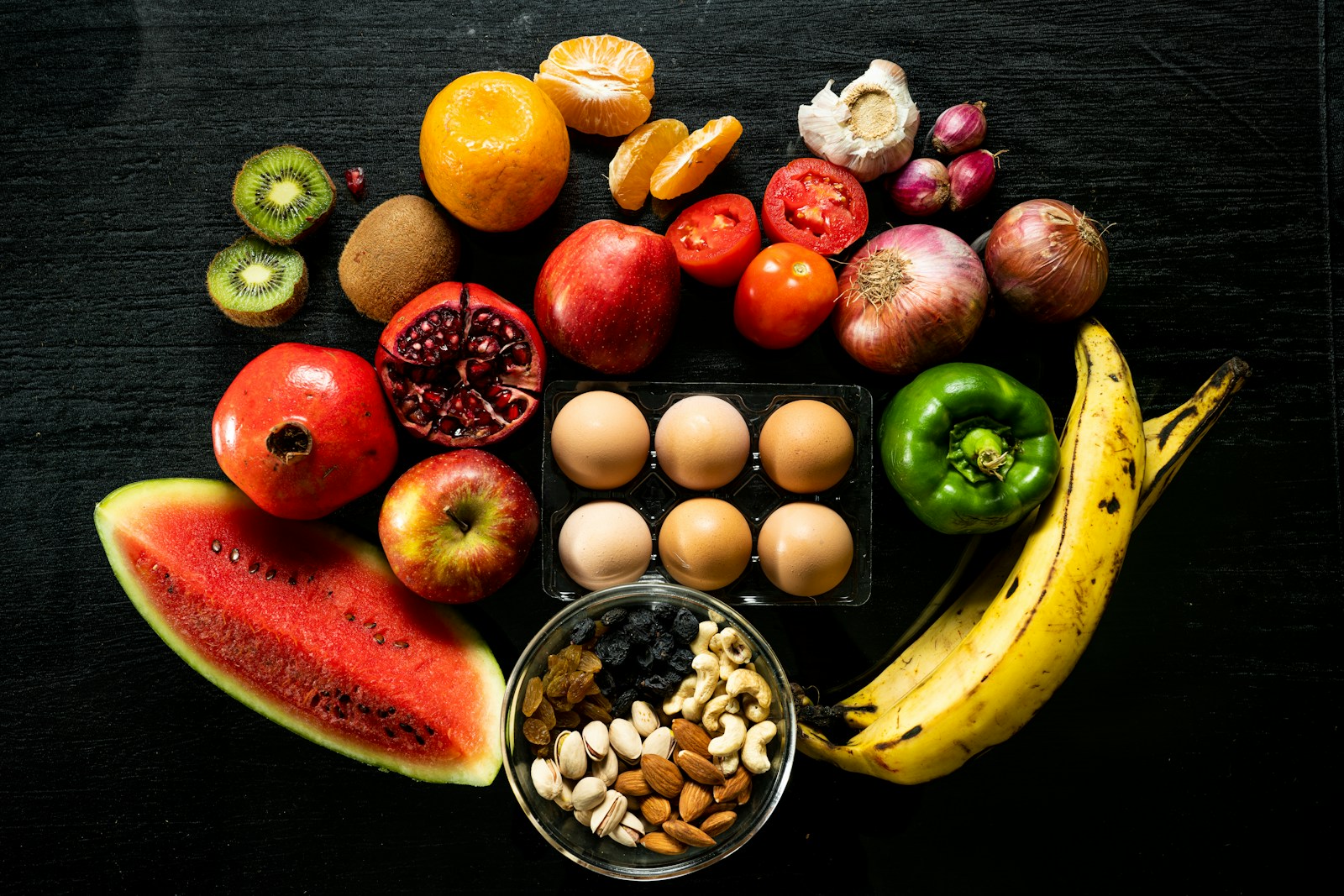
- Additionally, choose oats, beans, lentils, barley, berries, pears, leafy greens.
- Likewise, swap white rice for brown, bulgur, or quinoa.
- Plus, add ground flax or chia to yogurt or smoothies.
- Lastly, use whole-grain wraps and breads for easy wins.
| Add-In | Simple Mix | Best Moment |
|---|---|---|
| Berry Boost | Oats + mixed berries | Morning start |
| Veg Crunch | Carrots + hummus | Afternoon focus |
| Seed Power | Yogurt + chia/flax | Post-workout |
| Bean Bowl | Black beans + brown rice + salsa | Lunch or dinner |
Fiber in Diet: Travel, Shift-Work, and Indoors
Firstly, pack a small kit with high-fiber snacks and a bottle. Secondly, choose brief sunlight stops when you can to anchor rhythm. Also, pair each coffee with water and a protein + fiber bite. Then, set alarms for mobility on long shifts. Finally, protect sleep with a fixed wind-down even on variable schedules.
- Additionally, move every 60–90 minutes on trips.
- Likewise, walk outdoors on arrival to reset rhythm.
- Plus, avoid heavy sodas and excess sweeteners that may trigger symptoms.
- Lastly, align to local morning light as soon as possible.
Safety, Signs, and FAQs (Fiber in Diet)
Firstly, avoid extreme cleanses or rapid overhauls. Secondly, increase fiber gradually with fluids to prevent bloating. Also, consult a clinician if you have chronic GI conditions. Then, adjust plans for heart, kidney, or gut issues. Finally, personalize targets around your capacity.
| Sign | Possible Cause | Fast Step |
|---|---|---|
| Midday crashes | Low fiber + refined carbs | Add beans or lentils at lunch |
| Evening hunger | Missed fiber at lunch | Start dinner with soup or salad |
| Morning stiffness | Low movement + dehydration | Water + 10-minute walk |
| Poor sleep | Late heavy meals | Earlier dinner + dim lights |

Q1: How much fiber do I need?
Firstly, most adults benefit from a gradual climb toward commonly recommended ranges. Secondly, spread fiber across meals for comfort. Finally, increase fluids as fiber rises.
Q2: What if fiber upsets my stomach?
Firstly, add small amounts and wait several days. Secondly, favor cooked veggies and oats early on. Finally, diversify slowly (beans, berries, greens).
Q3: Which is better—food or supplements?
Firstly, prioritize whole foods for nutrients and variety. Secondly, consider psyllium if advised. Finally, adjust based on tolerance and results.
Q4: Can I overdo fiber?
Firstly, too much too fast can cause bloating. Secondly, match with fluids. Finally, scale back slightly and progress more slowly.
Fiber in Diet: Practical Meal Builder
Firstly, aim for balanced plates: protein + fiber + healthy fat. Secondly, rotate plant diversity across the week. Also, season with herbs and spices for flavor and polyphenols. Then, keep a rescue list for busy days. Finally, batch-cook once, eat thrice.
| Meal Moment | Fast Template | Swap Ideas |
|---|---|---|
| Breakfast | Overnight oats + chia + berries | Whole-grain toast + avocado + eggs |
| Lunch | Bean & grain bowl + greens | Chicken + quinoa + roasted veg |
| Snack | Pear + nut butter | Carrots + hummus |
| Dinner | Lentil stew + salad | Baked fish + barley + slaw |
- Additionally, batch-cook beans and freeze in portions.
- Likewise, pre-cut veggies and store at eye level.
- Plus, keep spice blends ready for quick meals.
- Lastly, carry a backup snack to avoid ultra-processed options.
Fiber in Diet: Stress and Sleep
Firstly, pair each refill with two slow breaths to lower tension. Secondly, create a wind-down playlist to cue calm. Also, dim screens one hour before bed. Then, keep the bedroom cool, dark, and quiet. Finally, rise at a consistent time, even on weekends.
- Additionally, stop caffeine earlier in the day if sleep is light.
- Likewise, try chamomile, mint, or lemon balm at night.
- Plus, journal for five minutes to clear the mind.
- Lastly, park the phone outside the bedroom.
Families and Housemates (Fiber in Diet Support)
Firstly, model balanced plates at meals. Secondly, set shared goals with simple charts. Also, prep snacks and pitchers together. Then, schedule outdoor walks after dinner. Finally, celebrate streaks with non-screen rewards.
- Additionally, label containers to avoid mix-ups.
- Likewise, pack fruit and whole-grain options for school and work.
- Plus, rotate one new high-fiber recipe each week.
- Lastly, choose hats and shade for safe daylight time.
Hot and Cold Weather Guide (Fiber in Diet)
Firstly, match intake and clothing to climate. Secondly, rest in shade during tough heat. Also, drink cool, not icy, water in summer. Then, pick warm soups and teas when the air is cold. Finally, treat recovery as seriously as work.
Hot Days
- Initially, step out early before midday peaks.
- Afterward, use short, steady exposure to sun.
- Further, add electrolytes for long sweaty shifts.
- Lastly, pace efforts and plan shade breaks.
Cold Days
- Firstly, keep walks consistent with extra layers.
- Secondly, warm soups add fluids and minerals.
- Thirdly, use a humidifier to reduce dryness.
- Finally, protect lips and hands with balm.
Medical Checkpoints for Fiber in Diet
Firstly, seek professional help for red flags: blood in stool, severe pain, persistent vomiting, fever, or rapid weight change. Secondly, review medications that may affect digestion with a clinician. Also, consider targeted testing only when guided by symptoms. Then, avoid self-prescribing high-dose supplements. Finally, build changes around food, sleep, stress, and movement first.
Q5: Do I need a fiber supplement?
Firstly, start with food sources if possible. Secondly, if trying psyllium or similar, choose one change at a time. Finally, reassess after 2–4 weeks and stop if symptoms worsen.
Q6: What about low-FODMAP or elimination plans?
Firstly, keep them short and supervised if needed. Secondly, reintroduce one food at a time. Finally, aim to expand foods, not restrict long-term.
Q7: Can coffee help or harm?
Firstly, timing and dose matter. Secondly, pair with water and a fiber bite. Finally, reduce if reflux or sleep issues appear.
Quick Recap: Firstly, make fiber in diet the daily anchor. Secondly, link tiny steps to cues (light, water, walk). Also, build plates with diverse plants and whole grains. Then, check one metric per pillar for feedback. Finally, keep going for one full month to lock the habit.