
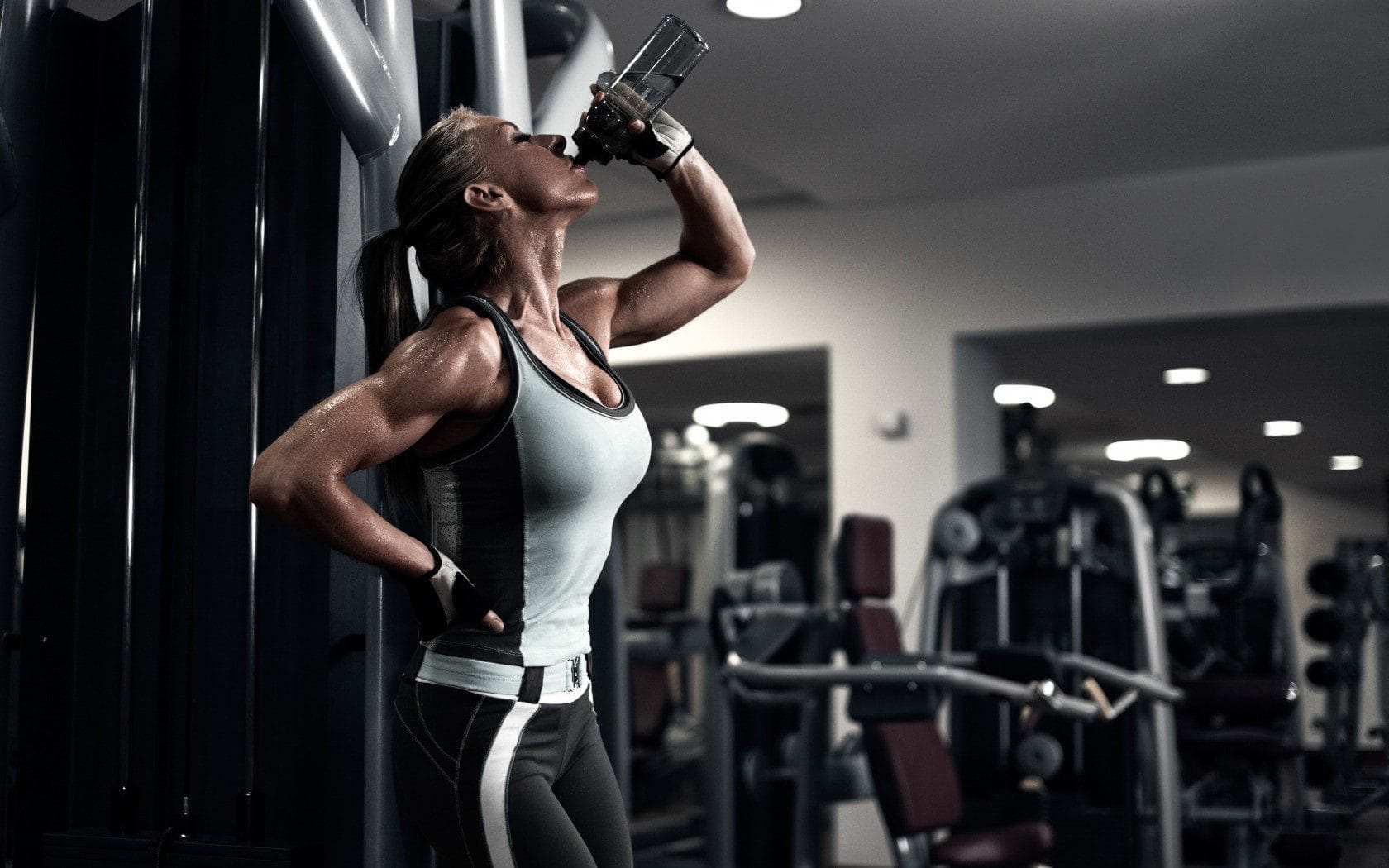
We decided to do fitness. Then we asked ourselves the question: is it worth drinking during training? The use of fluids during sports loads negatively affects the work of the heart. In this article, you will find out if this is the case.
During active physical exertion on the body, blood circulation increases, and organs and tissues heat up, increasing body temperature. The body begins busy sweating. We conclude that a person actively loses fluid during training, and it is necessary to compensate for these losses.
When actively engaged in sports for 1.5-2 hours, a person loses from 1 to 2 liters of fluid – this is about 2%. At first glance, not much, but think about it: the critical mark of fluid loss is an indicator of 7%, and a lack of 20% is fatal.
Water temperature
You will say: “There is no difference between cold and hot water. The main thing is to quench your thirst.” But this is not the case. Cold water will make a person sick, and hot liquid will increase the load on the heart and kidneys. Therefore, it is imperative to drink water at room temperature.
Amount of water
An athlete may feel thirsty as early as 15 minutes after training starts, so he did not replenish his fluid supply before starting the class. Drinking at least 500 milliliters of water two hours before the start of a workout will allow you to properly lead a class without endangering anyone’s health, keep you from becoming dehydrated, and reload your body with fluid.
During training, drink a few sips every 15-20 minutes – 150-200 ml. In this case, the water balance will not be disturbed. Do not drink a large amount of water at once – this will increase the load on the excretory system and lead to edema. If an athlete feels thirsty and his throat is dry, he should have had a drink a few minutes ago. An indicator of 7%, a disadvantage of 20%, is fatal.
Remember!
The signal enters the body later than it needs a new portion of the fluid. You need to drink before you feel thirsty!
At the end of the workout, restore the water balance in the body, and drink until thirsty. At the same time, remember that only pure non-carbonated water can completely compensate for fluid loss. Be attentive to your health, and remember to take a bottle of water to the gym.