
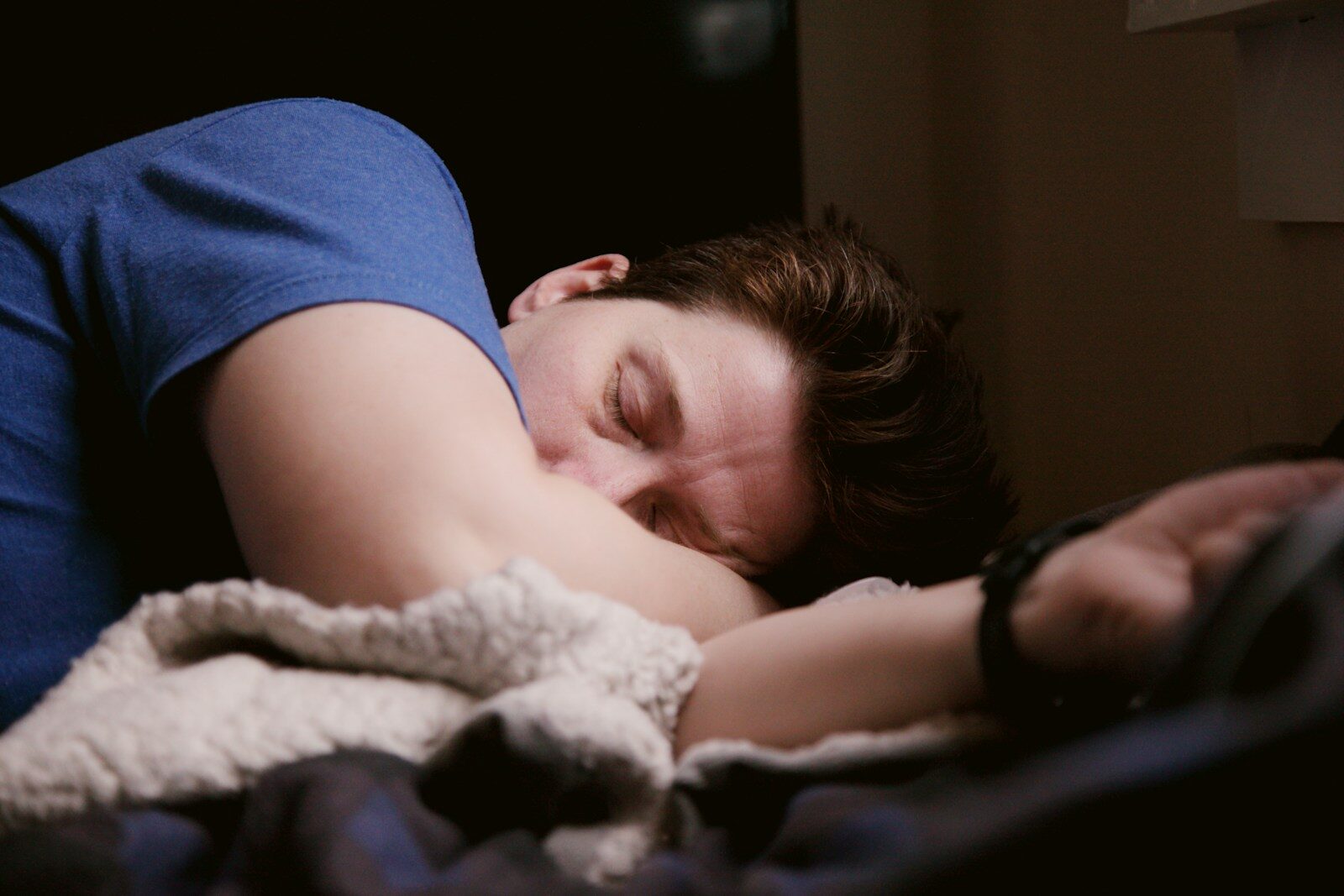
How Sleep Quality Affects Body Recovery: Complete Guide
Firstly, sleep and recovery are deeply connected because high-quality sleep supports muscle repair, hormone balance, nervous system reset, and full-body restoration after daily stress and exercise. Secondly, better sleep quality improves how fast the body heals, adapts, and regains energy. Thirdly, simple habits make deeper rest easier to achieve. Moreover, short routines create long-term recovery benefits. Finally, steady sleep patterns protect energy, mood, performance, and long-term health.
- To begin, keep a fixed bedtime and wake time as your main recovery anchor.
- Next, place your phone away from the bed to reduce late-night disruption.
- Also, dim lights in the evening to help your body prepare for deep rest.
- Meanwhile, pair small habits like stretching, hydration, and screen-dimming with routines you already do.
- Lastly, track weekly sleep wins to reinforce momentum and notice patterns.
Quick Start :
Firstly, define one anchor habit for evening, bedtime, and morning. Secondly, choose actions that take two minutes or less, like dimming lights, lowering room temperature, or setting an alarm for wind-down. Also, tie each step to a fixed cue such as dinner, brushing your teeth, or finishing work. Then, track completions with a simple check mark. Finally, review progress every seven days and adjust.
Core Signals to Watch :
Firstly, notice subtle signs early. Secondly, compare workdays and weekends. Also, note how caffeine, screens, late meals, and stress affect soreness, focus, and next-day energy. Then, look for clusters rather than single symptoms. Finally, personalize next steps around your schedule and recovery needs.
| Sign | Typical Pattern | First Small Step |
|---|---|---|
| Heavy morning fatigue | After short or broken sleep | Move bedtime earlier by 20–30 minutes; reduce screens before bed |
| Slow workout recovery | After poor sleep quality or late nights | Prioritize 7–9 hours; add a calm wind-down routine |
| Brain fog / low focus | After fragmented sleep or stress | Keep wake time consistent; get morning daylight |
| Higher soreness than usual | After hard training + limited deep sleep | Increase sleep opportunity; hydrate and include protein |
| Frequent night waking | Late caffeine, alcohol, or heavy meals | Cut stimulants earlier; lighten dinner; cool the room |
- Additionally, track sleep “hot spots”: late scrolling, caffeine timing, noisy rooms, and irregular schedules.
- Likewise, watch hidden sleep disruptors: alcohol, energy drinks, late sugar, and stress-loaded evenings.
- Plus, note how different routines change soreness, mood, and training readiness.
- Afterward, tally check marks each Sunday to see progress.
- Finally, reward streaks with simple, non-screen treats.
sleep and recovery: Morning Rhythm
Firstly, open with light, water, and movement to help your internal clock stay stable. Secondly, get outside for a few minutes after waking when possible. Also, eat a balanced breakfast if it suits your routine, especially after tough training days. Then, avoid snoozing multiple times because it can leave you feeling groggy. Finally, plan your caffeine early rather than late to protect sleep quality at night.
Foundations 101: sleep and recovery (Why Sleep Matters)
Firstly, the body does some of its most important repair work during sleep. Secondly, deep sleep supports tissue rebuilding, muscle repair, and immune restoration. Also, sleep helps regulate hormones linked to stress, hunger, growth, and recovery. Then, good sleep improves nervous system balance, reaction time, mood, and training adaptation. Finally, poor sleep quality can slow healing, reduce performance, and increase fatigue even when workouts and nutrition look solid.
- Notably, consistent sleep often matters as much as sleep duration.
- Also, darker, quieter rooms make it easier to reach deeper stages of sleep.
- Additionally, recovery improves when training, meals, and sleep follow a stable rhythm.
- Lastly, the body repairs best when sleep feels protected rather than random.
sleep and recovery: Tracking 101
Firstly, pick one metric per pillar to avoid overwhelm: bedtime consistency, total sleep time, night wakings, and next-day energy. Secondly, log with paper or a simple app. Also, note when you train, how sore you feel, and whether you wake refreshed. Then, compare weekday and weekend patterns. Finally, tweak just one variable per week and observe changes.
sleep and recovery: Daily Targets
Firstly, split essentials across the day. Secondly, cover light, movement, meals, hydration, and evening calm. Also, keep buffers for busy hours. Then, protect your last hour before bed. Finally, adjust targets when your schedule shifts.
| Time | Action | Why |
|---|---|---|
| Morning | Water + daylight + light movement | Stabilizes body clock and boosts alertness |
| Mid-morning | Use caffeine early, not late | Protects nighttime sleep depth |
| Lunch | Balanced meal with protein and fiber | Supports stable energy and tissue repair |
| Afternoon | Brief walk or stretch break | Reduces stress build-up and stiffness |
| Evening | Dim screens + lighter routine + fixed bedtime | Improves sleep onset and overnight recovery |
- Additionally, block calendar slots titled “wind down”.
- Likewise, keep your bedroom cool, dark, and quiet.
- Plus, prep water, clean sheets, and low lighting before bed.
- Afterward, tally check marks each Sunday.
- Finally, reward streaks with simple, calming rituals.
sleep and recovery: Workday Habits
Firstly, place water beside your desk and link sips to work blocks. Secondly, stand for calls and stretch during long sitting periods. Also, use focused work sprints to reduce stress spillover into the evening. Then, avoid pushing intense mental work too close to bedtime when possible. Finally, end your day with a shutdown checklist so your brain does not keep “working” in bed.
- Additionally, set a soft timer every 50–60 minutes.
- Likewise, stop heavy scrolling late at night.
- Plus, avoid turning the bed into a second office.
- Afterward, log what helped you feel calmer at night.
- Lastly, invite a teammate or friend into a better-sleep challenge.
sleep and recovery: Fitness and Training Repair
Firstly, hard training increases the need for quality sleep. Secondly, the body uses sleep to restore muscles, replenish energy stores, and support growth processes. Also, deep sleep helps reduce the strain that intense exercise places on the nervous system. Then, missing sleep can make the same workout feel harder and delay readiness for the next session. Finally, treat sleep like part of the training plan rather than something optional.
- Additionally, avoid very intense late-night sessions if they keep you wired.
- Likewise, include protein and fluids after training.
- Plus, schedule rest days so your body can absorb gains.
- Lastly, do not rely on willpower alone when recovery debt builds up.
sleep and recovery: Red-Flag List & Better Swaps
Firstly, a shortlist keeps choices fast. Secondly, think “limit or swap” rather than “never.” Also, make the better option easy to reach. Then, keep your room and routine simple. Finally, protect consistency more than perfection.
| Limit (sleep and recovery disruptors) | Why | Swap-In |
|---|---|---|
| Late caffeine | Can delay sleep and reduce depth | Herbal tea, water, or caffeine earlier in the day |
| Heavy late meals | May disturb digestion and sleep comfort | Lighter dinner earlier in the evening |
| Bright screens before bed | Can delay melatonin release | Dim lights, audio, paper reading, gentle stretching |
| Alcohol close to bedtime | May increase night waking and fragment sleep | Sparkling water, herbal tea, or no-drink evenings |
| Irregular sleep schedule | Disrupts body clock and recovery rhythm | Fixed wake time and more stable bedtime |
| Stress-filled bedtime | Keeps the nervous system active | Breathing practice, journaling, or a calm shower |
| Noisy / hot room | Interrupts deeper sleep stages | Cooler room, earplugs, fan, blackout setup |
sleep and recovery: Food and Timing Ideas
Firstly, balanced meals during the day can support better sleep at night. Secondly, protein, fiber, and steady hydration help reduce late-night hunger and stress on the body. Also, avoid oversized dinners that leave you too full to rest well. Then, keep evening choices simple and easy to digest. Finally, let your sleep routine work with your meals rather than against them.
- Additionally, choose protein, oats, yogurt, fruit, nuts, seeds, and whole foods across the day.
- Likewise, hydrate steadily instead of trying to “catch up” late at night.
- Plus, reduce sugar-heavy snacks close to bedtime.
- Lastly, keep evening meals calm, light, and predictable when possible.
| Add-In | Simple Mix | Best Moment |
|---|---|---|
| Evening Calm | Warm herbal tea + dim lights | 60–90 minutes before bed |
| Recovery Snack | Yogurt + fruit or oats | After training if dinner is delayed |
| Hydration Rhythm | Steady water through the day | Morning to late afternoon |
| Light Dinner | Protein + rice/potatoes + vegetables | 2–3 hours before bed |
sleep and recovery: Travel, Shift-Work, and Indoors
Firstly, changing schedules can make recovery harder, so routines matter even more. Secondly, use light exposure to anchor your body clock when sleep timing shifts. Also, bring simple tools like earplugs, an eye mask, and a water bottle. Then, keep a “minimum viable” wind-down even on busy or irregular days. Finally, return to your normal routine as soon as possible after disruption.
- Additionally, move every 60–90 minutes during long travel days.
- Likewise, get daylight soon after waking in a new place.
- Plus, avoid loading the evening with caffeine and scrolling.
- Lastly, protect one calming bedtime cue wherever you are.

Safety, Signs, and FAQs (sleep and recovery)
Firstly, avoid extreme hacks or all-or-nothing routines—steady changes beat perfect plans. Secondly, take ongoing exhaustion seriously if rest does not improve it. Also, heavy snoring, breathing pauses, or constant waking may need medical attention. Then, personalize targets if you have pain, anxiety, shift work, or demanding training loads. Finally, seek professional care for long-term sleep problems, extreme daytime sleepiness, or signs of sleep-disordered breathing.
| Sign | Possible Cause | Fast Step |
|---|---|---|
| Midday crashes | Short sleep or irregular timing | Protect bedtime and morning light exposure |
| Evening restlessness | Late caffeine or high stress | Cut stimulants earlier; add a wind-down routine |
| Morning soreness | Poor recovery after training | Increase sleep opportunity and post-workout nutrition |
| Poor mood / irritability | Fragmented sleep or sleep debt | Stabilize schedule and reduce night disruption |
sleep and recovery: Practical Day Builder
Firstly, aim for a simple rhythm: light early, meals steady, stress lower, and bedtime protected. Secondly, rotate calm habits across the week so recovery feels easier, not forced. Also, reduce evening stimulation from noise, work, and bright light. Then, keep a rescue plan for busy days. Finally, build consistency before complexity.
| Day Moment | Fast Template | Swap Ideas |
|---|---|---|
| Morning | Wake + water + daylight | Add a short walk outside |
| Midday | Protein + fiber meal | Add a movement break after eating |
| Afternoon | Stretch + water refill | Use tea instead of more caffeine late |
| Evening | Lighter dinner + dim lights | Swap scrolling for reading or audio |
| Bedtime | Cool room + fixed sleep cue | Add journaling or breathing practice |
- Additionally, prep your bedroom before you feel tired.
- Likewise, keep your recovery routine visible and easy.
- Plus, make sleep-friendly choices the default, not the exception.
- Lastly, carry one calm habit into even your busiest days.
sleep and recovery: Stress and Nervous System Reset
Firstly, stress can block recovery even when you spend enough hours in bed. Secondly, the body rests best when the nervous system feels safe enough to downshift. Also, breathing, light stretching, and quiet routines help signal that the day is ending. Then, reducing stimulation at night can improve sleep depth and next-day readiness. Finally, calm evenings create stronger recovery nights.
- Additionally, pair each evening refill with two slow breaths.
- Likewise, create a wind-down playlist to cue calm.
- Plus, journal for five minutes to clear mental noise.
- Lastly, park the phone outside the bedroom.
Families and Housemates (sleep and recovery)
Firstly, better sleep often works better when the environment supports it. Secondly, shared routines can reduce noise, late disruption, and inconsistent timing. Also, simple agreements about lights, screens, and quiet hours help everyone rest better. Then, make the bedroom feel like a recovery space, not a busy zone. Finally, celebrate progress with simple, relaxing rewards.
- Additionally, agree on quiet hours if possible.
- Likewise, lower lights in shared spaces at night.
- Plus, keep bedtime routines simple for everyone.
- Lastly, protect the sleeping area from clutter and noise.
Hot and Cold Weather Guide (sleep and recovery)
Firstly, temperature strongly affects sleep quality. Secondly, overheated rooms can make deep sleep harder to reach. Also, overly dry or uncomfortable environments can increase waking. Then, adjust bedding, airflow, and hydration with the season. Finally, treat room comfort as part of recovery.
Hot Days
- Initially, cool the room before bedtime when possible.
- Afterward, use breathable sheets and lighter sleepwear.
- Further, hydrate steadily during the day, not all at once late at night.
- Lastly, reduce heavy meals close to bedtime.
Cold Days
- Firstly, keep the room cool but comfortable.
- Secondly, use warm layers that do not overheat the body.
- Thirdly, try a calming warm shower before bed.
- Finally, keep nighttime air comfortable, dark, and quiet.
Medical Checkpoints for sleep and recovery
Firstly, seek professional help for warning signs such as heavy snoring, choking during sleep, severe insomnia, or extreme daytime fatigue. Secondly, review medications and supplements if sleep changed after starting them. Also, consider medical input if recovery stays poor despite good habits. Then, avoid self-diagnosing chronic sleep issues without proper assessment. Finally, build changes around light, routine, stress, movement, and sleep timing first.
Q1: How many hours are best for sleep and recovery?
Firstly, many adults recover best with 7–9 hours. Secondly, needs can rise with hard training, illness, or high stress. Finally, consistency matters along with total time.
Q2: Can I recover well if I sleep enough hours but the quality is poor?
Firstly, not fully. Secondly, fragmented or shallow sleep can reduce repair and next-day readiness. Finally, both duration and quality matter.
Q3: Does late-night exercise hurt sleep and recovery?
Firstly, it depends on the person and intensity. Secondly, very intense late sessions may leave some people too alert to sleep deeply. Finally, test timing and watch your recovery signals.
Q4: What if my schedule is unpredictable?
Firstly, set “minimum viable” habits like fixed wake time, light exposure, and a short wind-down. Secondly, protect the most repeatable parts of your routine. Finally, consistency in small things still helps recovery.
Quick Recap: Firstly, sleep and recovery work together to repair muscles, rebalance the nervous system, and restore energy. Secondly, sleep quality shapes how well the body heals, adapts, and performs. Also, anchor tiny habits to daily cues like light, hydration, movement, and a fixed wind-down. Then, track one metric per pillar for feedback. Finally, stay consistent for one month to lock stronger recovery habits.