

Cartilage Strengthening Start :
When we think of fitness and joint health, we often focus on muscles, bones, and flexibility. But there’s another critical component that’s often overlooked—cartilage. Cartilage Strengthening Exercises is a smooth, elastic tissue that covers and protects the ends of bones at the joints. It enables smooth movement, absorbs shock, and prevents bones from grinding against each other.
Unfortunately, cartilage doesn’t have its own blood supply, making it slow to heal when damaged. However, regular movement, proper nutrition, and specific cartilage strengthening exercises can help preserve and even enhance cartilage health.
In this article, you’ll learn about the best exercises for cartilage support, how to improve joint strength, and key tips to keep your joints pain-free and functional.
🧠 What Is Cartilage and Why Does It Matter and what is Cartilage Strengthening Exercises ?
Cartilage is a flexible connective tissue found in many parts of the body—particularly the joints, nose, ears, and rib cage. In joints, it cushions bones and allows for smooth, pain-free motion.
There are three main types of cartilage:
-
Hyaline cartilage – Found in joints, nose, trachea; provides smooth surfaces.
-
Fibrocartilage – Found in the spine and menisci; strong and shock-absorbing.
-
Elastic cartilage – Found in the ear and epiglottis; flexible and resilient.
When Cartilage Strengthening wears down due to aging, injury, or conditions like osteoarthritis, joint pain and stiffness occur. Fortunately, low-impact strength training and flexibility exercises can help protect and maintain your cartilage.

🏋️♂️ Top Cartilage Strengthening Exercises :
Let’s dive into the most effective, joint-friendly exercises to promote cartilage health and reduce the risk of injury or degeneration:
1. Swimming
Swimming is one of the best full-body, low-impact exercises. It supports your body weight and reduces pressure on the joints while allowing full range of motion.
Benefits:
-
Improves joint flexibility
-
Strengthens surrounding muscles
-
Increases blood flow to joint areas
Recommended: Swim for 30–45 minutes, 3–4 times per week.
2. Cycling (Stationary or Outdoor)
Cycling provides gentle movement for the knees and hips, helping to maintain cartilage function and lubricate joints.
Tip: Keep resistance low to avoid pressure on knee joints.
Duration: 20–30 minutes, 4–5 times a week.
3. Walking
A brisk walk encourages synovial fluid movement in joints and strengthens muscles supporting the knees, hips, and ankles.
Advice: Wear supportive shoes and walk on softer surfaces when possible.
Goal: 6,000–10,000 steps per day.
4. Resistance Band Training
Using resistance bands can strengthen the muscles around the joints without putting too much stress on them. Strong muscles support cartilage and reduce wear.
Examples:
-
Knee extensions
-
Lateral leg lifts
-
Shoulder pulls
Reps: 3 sets of 12–15 reps per exercise, 2–3 times a week.
5. Yoga and Stretching
Yoga helps with joint flexibility, mobility, and alignment, keeping cartilage healthy through low-intensity movement.
Poses for cartilage health:
-
Downward Dog
-
Warrior Pose
-
Child’s Pose
-
Cat-Cow stretch
Tip: Practice yoga 2–3 times weekly to promote joint health and circulation.
6. Leg Raises and Side-Lying Exercises
Targeting the legs, hips, and glutes helps stabilize joints like the knees and hips. This reduces the burden on cartilage.
How to perform:
-
Lie on your side
-
Raise one leg slowly
-
Hold for 2 seconds
-
Lower and repeat
Reps: 2–3 sets of 15 reps per leg.

🥗 Nutrition for Cartilage Support :
Cartilage Strengthening Exercise is only one part of the puzzle. Your diet plays a crucial role in cartilage repair and maintenance.
Foods to support cartilage health:
-
Collagen-rich foods: Bone broth, fish skin, chicken skin
-
Omega-3 fatty acids: Salmon, walnuts, flaxseed
-
Vitamin C: Oranges, strawberries, bell peppers
-
Vitamin D: Eggs, fortified dairy, sunlight
-
Glucosamine and Chondroitin: Found in shellfish and supplements
Hydration is also essential. Cartilage is made up of about 70–80% water, so staying hydrated helps maintain its elasticity.
❌ Exercises to Avoid If You Have Joint Pain :
Not all exercises are joint-friendly. If you’re experiencing cartilage wear or joint discomfort, avoid:
-
High-impact activities (e.g., running on pavement)
-
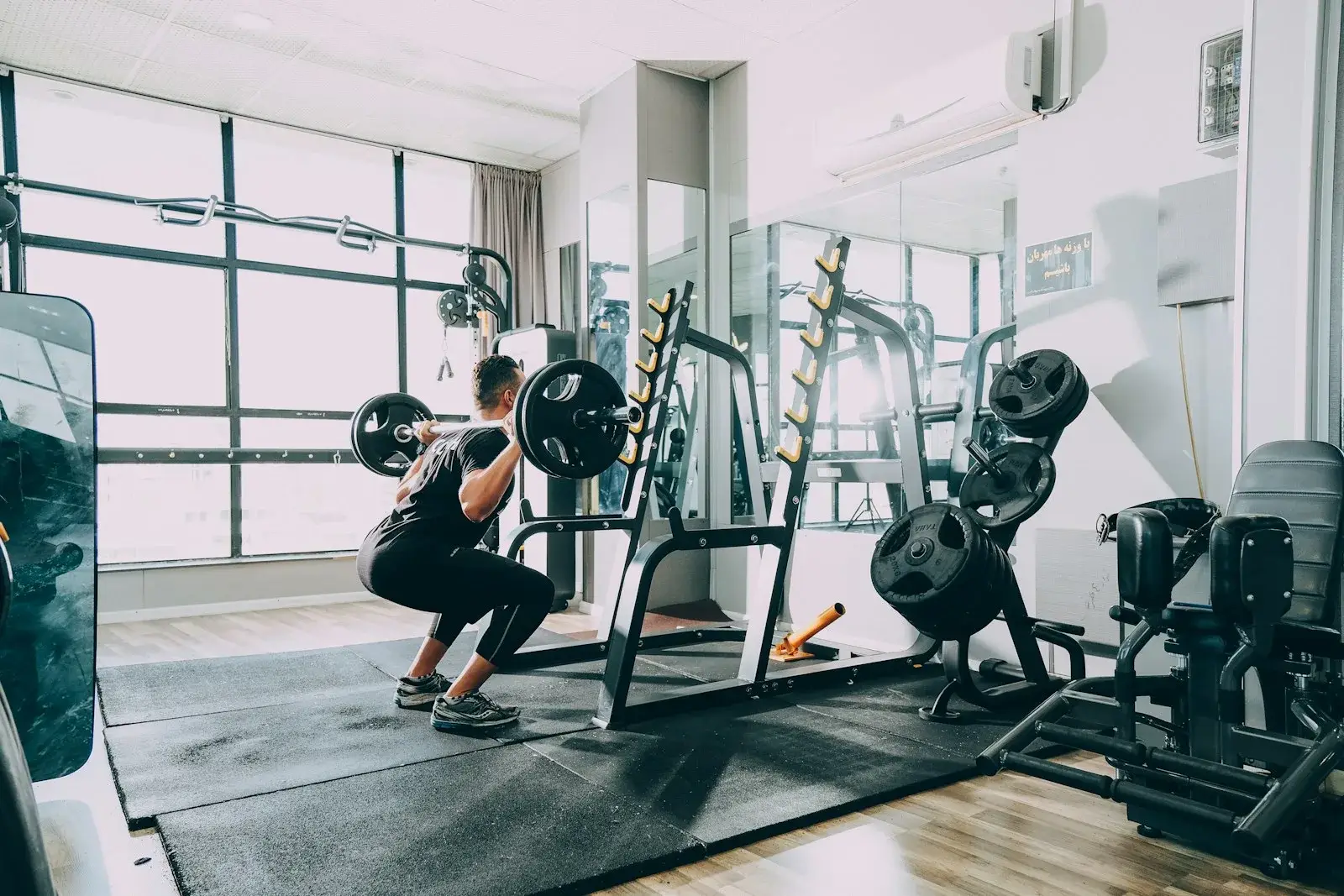
Deep squats or lunges with heavy weights
-
Jumping or plyometric workouts
Instead, stick to low-impact, controlled, and balanced exercises as listed above.
⚠️ Common Mistakes When Training for Joint Health :
Even with the right intentions, many people unknowingly harm their joints. Here’s what to avoid:
-
Skipping warm-up and cool-down
-
Overtraining without rest
-
Poor form and alignment
-
Neglecting mobility and flexibility
-
Lifting heavy without proper support
Listen to your body and train smart, not just hard.
🗓️ Sample Weekly Cartilage Support Workout Plan :
| Day | Exercise Focus | Duration |
|---|---|---|
| Monday | Swimming + Stretching | 45 min |
| Tuesday | Resistance Band Workout | 30 min |
| Wednesday | Yoga + Walking | 60 min total |
| Thursday | Rest or Light Walk | 20–30 min walk |
| Friday | Cycling + Stretching | 40 min |
| Saturday | Leg Raises + Yoga | 45 min |
| Sunday | Rest & Recovery | – |
🔑 Bonus Tips for Cartilage and Joint Longevity :
-
Maintain a healthy weight – Excess weight puts pressure on joints.
-
Stay active – Inactivity causes joints to stiffen.
-
Invest in quality shoes – Proper footwear protects joint alignment.
-
Add supplements if needed – Ask a doctor about glucosamine, MSM, or collagen.
-
Get regular checkups – Catch joint issues early with professional advice.
✅ Final Thoughts :
Cartilage health is crucial for overall joint function, mobility, and quality of life. By incorporating low-impact, cartilage-friendly exercises like swimming, cycling, yoga, and resistance band training, you can enhance your joint strength and prevent long-term damage.
Remember, it’s never too early—or too late—to start protecting your joints. Commit to a healthy routine, eat the right foods, and stay consistent with your workouts.
Your future self will thank you with every pain-free step you take!