In the first :
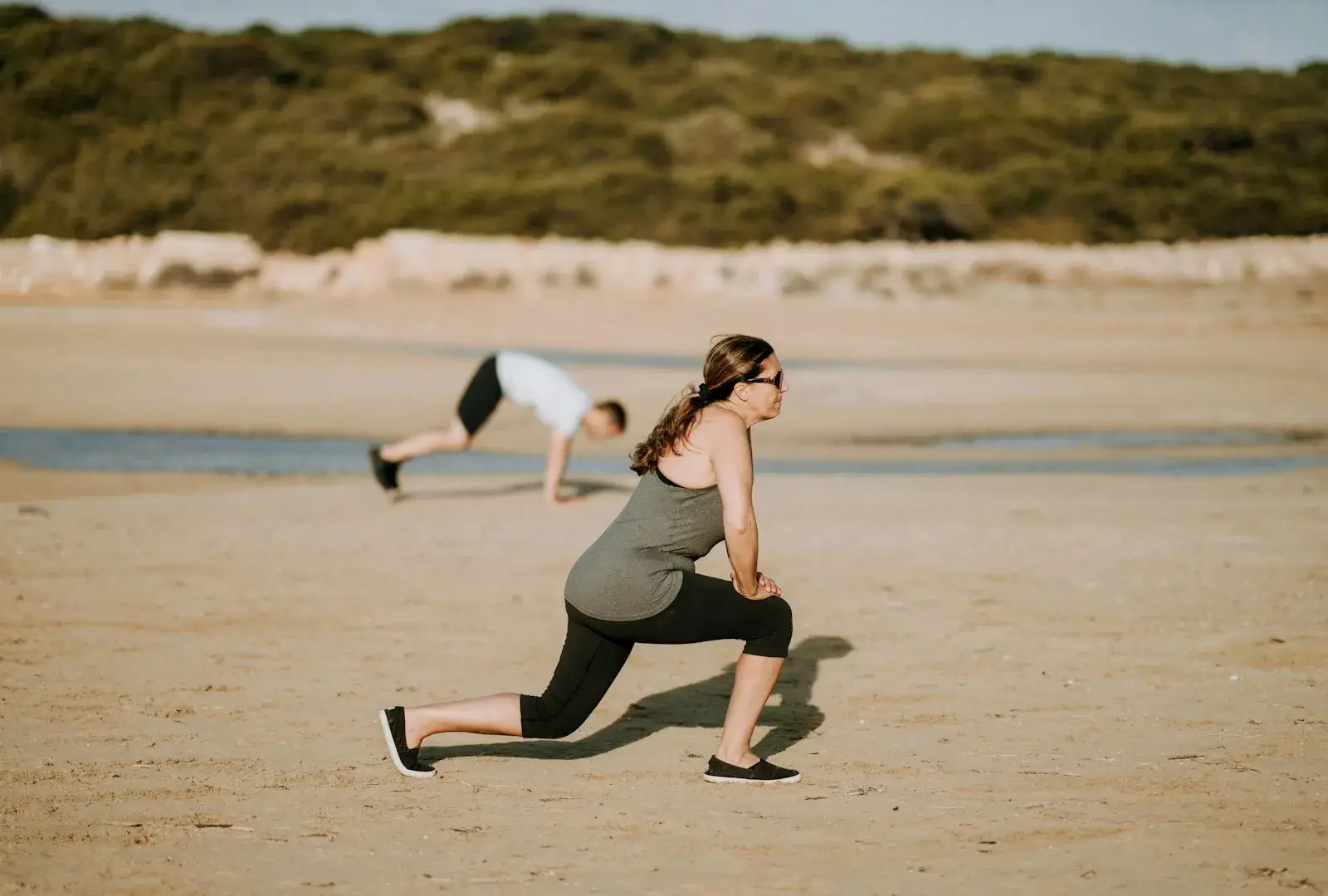
Lunges are one of the most effective lower-body exercises that help improve strength, stability, and muscle definition. Whether you are a beginner or an advanced athlete, incorporating lunges into your workout routine can enhance your overall fitness. This article will explore the benefits of lunges, how to perform them correctly, variations to target different muscles, and common mistakes to avoid.
Why Lunges Are Essential for Your Workout :
Lunges are a functional exercise that mimics everyday movements like walking, running, and climbing stairs. Here’s why lunges should be a staple in your fitness routine:
- Strengthens Lower Body Muscles – Targets quadriceps, hamstrings, glutes, and calves.
- Improves Balance and Coordination – Engages stabilizing muscles, reducing the risk of injuries.
- Enhances Core Stability – Strengthens abdominal and lower back muscles for better posture.
- Increases Flexibility – Stretches hip flexors, improving mobility and preventing tightness.
- Aids in Weight Loss – Burns calories and engages multiple muscle groups simultaneously.
How to Perform a Basic Lunge Correctly :
To get the most out of lunges, follow these step-by-step instructions:
- Starting Position – Stand tall with feet hip-width apart, shoulders back, and core engaged.
- Step Forward – Take a step forward with one leg while keeping your torso upright.
- Lower Your Body – Bend both knees to form a 90-degree angle, ensuring the front knee is directly above the ankle.
- Push Back Up – Press through the front heel and return to the starting position.
- Repeat on the Other Leg – Perform the movement on the opposite leg and continue alternating.
Recommended Sets/Reps: 3-4 sets of 10-15 reps per leg.

Variations of Lunges for Maximum Gains :
Lunges can be modified to target different muscle groups and add variety to your workouts. Here are some effective variations:
1. Reverse Lunges
- Focuses more on the glutes and hamstrings.
- Reduces stress on the knees compared to forward lunges.
2. Walking Lunges
- Enhances balance and coordination.
- Engages the core more due to continuous movement.
3. Side Lunges (Lateral Lunges)
- Strengthens inner and outer thighs.
- Improves lateral movement, beneficial for sports performance.
4. Jump Lunges
- Adds a plyometric element, increasing cardiovascular endurance.
- Builds explosive power for athletic performance.
5. Bulgarian Split Squats
- Elevates the rear foot for deeper glute and quad engagement.
- Improves unilateral strength and balance.
Common Mistakes to Avoid :
To prevent injuries and maximize results, be mindful of these common errors:
- Letting the Knee Go Past the Toes – Can put excessive strain on the knee joint.
- Not Keeping the Upper Body Upright – Leaning forward reduces engagement of the correct muscles.
- Taking Too Small or Too Large a Step – Can lead to imbalance or improper muscle activation.
- Skipping Warm-Ups – Always warm up before performing lunges to prevent muscle strains.
How to Incorporate Lunges into Your Workout Routine :
Lunges can be added to your workout in various ways depending on your fitness goal:
- For Strength: Perform lunges with weights (dumbbells or barbells) in lower rep ranges (6-10 reps per leg).
- For Endurance: Use bodyweight lunges for higher reps (15-20 reps per leg).
- For Fat Loss: Combine lunges with high-intensity exercises like jump squats or burpees.
- For Mobility: Use slow, controlled lunges focusing on a deep stretch.
At the end :
Lunges are an incredibly versatile and effective exercise for building lower-body strength, improving balance, and enhancing athletic performance. By incorporating different variations and maintaining proper form, you can maximize the benefits of this powerful movement. Start adding lunges to your workouts today and take your fitness to the next level.