
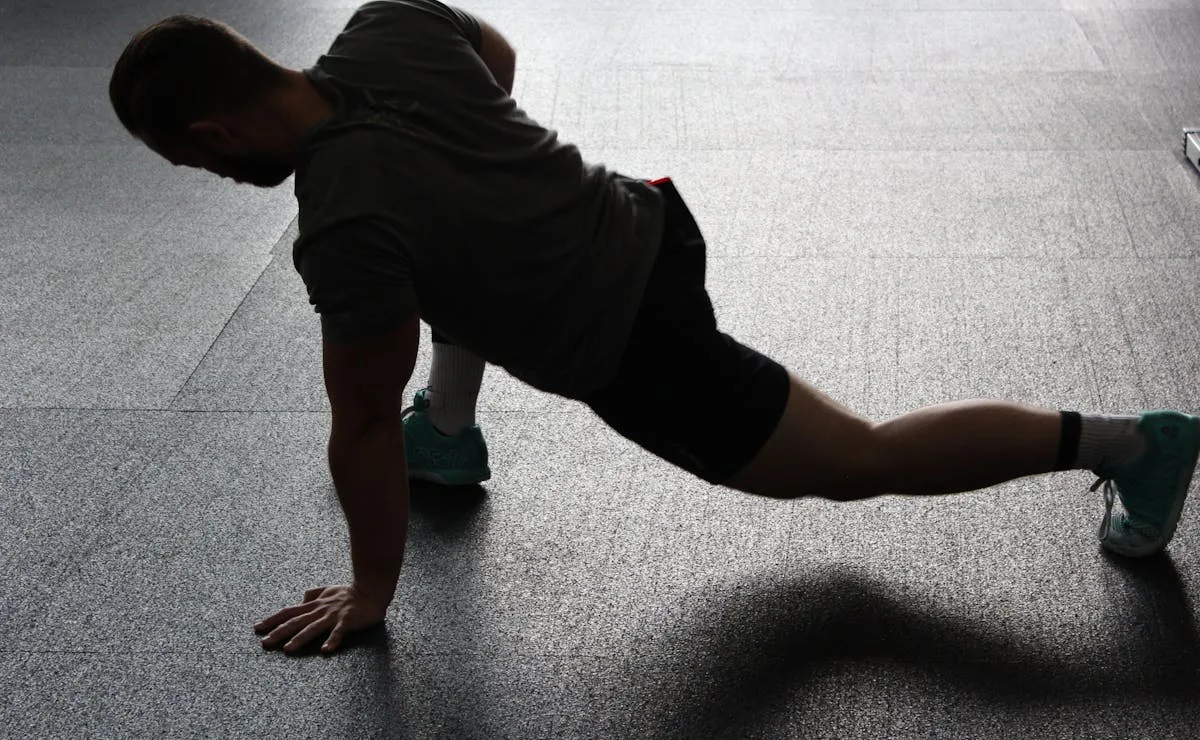
Considered an apparently simple physical activity, the abdominal plank is an exercise that uses only your own body weight and can be performed practically anywhere, including at home, with guaranteed effectiveness when it comes to achieving strong, defined and dry abs.
Furthermore, its practice results in other benefits, such as improved posture and relief from back pain, allowing greater stability and body flexibility.
Another advantage of this exercise is that it has a wide variety of positions and, in each one, it is possible to work to strengthen and tone different parts of the body.
Now, let’s learn some of these types and how to do the abdominal plank?
Abdominal front plank
Also known as the ventral plank, this is the classic and most popular type. The front plank works the muscles of the abdomen , core and lower back, in addition to improving posture.
Step by step
- Lying face down, rest your elbows and forearms on the floor, aligned with your shoulders;
- Place the tips of your feet on the floor, aligned with your elbows;
- Stay in this position for 30 seconds, breathe and repeat for up to 5 sets.
Reverse abdominal plank

It is performed exactly as the name suggests: inverted. In other words, instead of having your belly facing down, you will have it facing up. The inverted abdominal plank exercise uses all of your abdominal, gluteal and calf muscles.
Step by step
- Lie down on your back;
- Place your hands on the floor in line with your shoulders, stretching your arms;
- Stretch your legs with your feet touching the floor and push your hips up;
- Hold the position for at least 20 seconds and do up to 5 sets.
Side plank abs
The side plank will strengthen and tone your abs, and work your back, shoulders and butt. It is ideal for working your oblique muscles.
Step by step
- Lie on your side and rest your elbow and forearm on the floor, aligned with your shoulders;
- The other arm should be stretched upwards in the same straight line as the shoulder;
- Raise your hips and keep your legs extended;
- Only one foot touches the ground laterally like the body, while the other foot must be on top of the one it is resting on;
- Hold the position for 30 seconds for up to 5 sessions.
Abdominal on inclined board
This type of plank is a little easier, as it requires some support such as a Wellness ball, box, crate or wooden bench to be performed, reducing the weight under the abdomen. Among its benefits are the toning of the core groups and leg muscles .
Step by step
- Place a support in front of you;
- Rest your forearms on the object;
- Throwing your legs back, stand on your toes and keep your spine straight, holding the position for 30 seconds and repeating up to 5 sets.
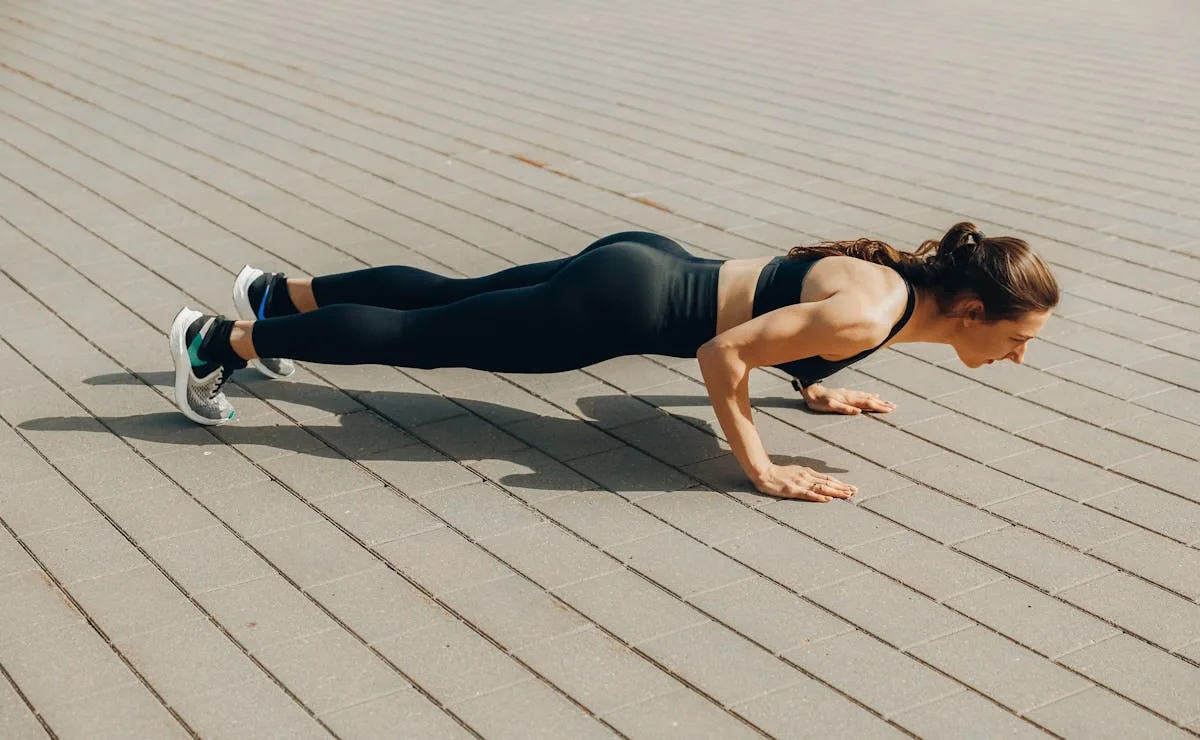
High board
The high plank, or extended plank, is performed with your arms straight. This is one of the most difficult types of plank, but the results of strengthening your abs and core will come faster.
Step by step
- Lying face down, place your hands in line with your shoulders as if you were going to do a push-up and stretch your arms;
- Place your toes on the floor in a straight line with your hips;
- Keep your spine straight and hold the position, initially, for 20 seconds and up to 5 repetitions.
Benefits of the abdominal plank
If you had any doubts about the benefits of this exercise, now you know what the abdominal plank is for. In addition to the variations outlined in this article, there are many others that are also aimed at improving specific areas of the body.
However, whatever type of plank you do, understand that you will:
- make the body stronger;
- speed up metabolism;
- avoid injuries;
- improve posture; and
- develop greater balance.
A good tip for beginners is to do the exercises with your knees on the floor. Gradually, you can increase the level of difficulty and use only the tips of your feet.
Afterwards, you can increase the exercise time, the number of sessions and vary the types of abdominal planks, progressing little by little, without harming your body or causing pain that could make you give up right at the beginning, and that’s not what we want, right?
The abdominal plank exercise can be done every day, but you should know your limits and only hold the position as long as you can. The benefits will come with time, don’t worry!